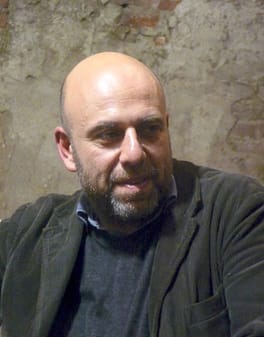
Photo: Lucarelli / CC BY-SA 3.0 (source: Wikimedia Commons)
Paolo Virzì was born on March 4, 1964 in Livorno, Province of Livorno, Italy and is credited as a film director, screenwriter and film producer. Paolo Virzì is 62 years old as of 2026. Listed accolades include Grand Jury Prize of the Venice Film Festival (1997), David di Donatello for Best Film (1996), Nastro d'Argento for best director (2010) and 4 more. Credited works include Ovosodo and Kisses and Hugs.
My Take
Paolo Virzì is the kind of director I always want to champion: a regional voice who never forgets where he came from. Raised in the working-class Le Sorgenti area of Livorno, he built a reputation on warm, sharply observed portraits of working-class Italy, and the establishment noticed, with a David di Donatello for Best Film and the Grand Jury Prize at Venice. Ovosodo in particular sounds like the work of someone who understands his hometown intimately. As a writer, director, and producer all at once, he is a genuine all-rounder. I am drawn to filmmakers whose sense of place is inseparable from their humanism.
This take was written by generative AI, one per person, from publicly reported facts (editorial policy). It is a reading of the record, not reporting.
1. Profile
- Name (English)
- Paolo Virzì
- Name (Japanese)
- パオロ・ヴィルズィ
- Reading
- ぱおろ・ゔぃるずぃ
- Born
- March 4, 1964 (age 62)
- Origin
- Livorno, Province of Livorno, Italy
- Occupation
- film director / screenwriter / film producer / voice actor
- Zodiac / Chinese zodiac
- Pisces / Dragon
2. Background
Awards & achievements
- 1997 Grand Jury Prize of the Venice Film Festival
- 1996 David di Donatello for Best Film
- 2010 Nastro d'Argento for best director
- David di Donatello for Best New Director
- David di Donatello for Best Script
- Nastro d'Argento for Best New Director
- Nastro d'Argento for Best Screenplay
3. Works & records
Filmography / notable works
| Category | Title |
|---|---|
| Notable work | Ovosodo |
| Notable work | Kisses and Hugs |
4. Links
5. About this entry
Tags
- Last updated
Facts are limited to publicly available information up to 2024; non-public or unconfirmed items are omitted. English text is machine-assisted (facts translated by Sonnet, "My Take" written by Opus 4.8). The Japanese page is the source of record.
Frequently asked questions
When was Paolo Virzì born?
Paolo Virzì was born on March 4, 1964 and is 62 years old.
Where is Paolo Virzì from?
Paolo Virzì is from Livorno, Province of Livorno, Italy.
What does Paolo Virzì do?
Paolo Virzì works as film director, screenwriter, film producer, voice actor.
What is Paolo Virzì known for?
Paolo Virzì's notable works include Ovosodo, Kisses and Hugs.
Film director — see all → · Screenwriter — see all → · More people from Italy → · More people born on March 4 →