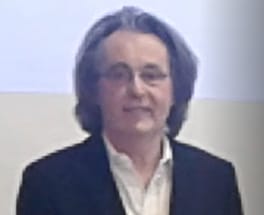
Photo: Bull-Doser / Public domain (source: Wikimedia Commons)
Born on May 29, 1955 in Nancy, Meurthe-et-Moselle, France, Pascal Dusapin is an opera composer and amateur photographer. That puts Pascal Dusapin at 71 years old in 2026. Education on record includes University of Paris 1 Pantheon-Sorbonne. Awards on record include Knight of the Legion of Honour (2015), Dan David Prize (2007), resident at the Villa Medici and 4 more. Notable works include Faustus, the Last Night and Medeamaterial.
My Take
Pascal Dusapin sits exactly where I like my composers: uncompromising. A pupil of Xenakis and Donatoni and an admirer of Varèse, he writes music built on microtonality, tension, and raw energy, yet describes it as full of "romantic constraint," which is a wonderfully contradictory ambition. The detail I love most is that, though a pianist himself, he stubbornly refused to write for the piano until 1997. That kind of self-imposed discipline reveals a serious mind. Legion of Honour and all, he still keeps an amateur photographer's eye on the world. Dusapin is the sort of artist who rewards listeners willing to meet him halfway.
This take was written by generative AI, one per person, from publicly reported facts (editorial policy). It is a reading of the record, not reporting.
1. Profile
- Name (English)
- Pascal Dusapin
- Name (Japanese)
- パスカル・デュサパン
- Reading
- ぱすかる・でゅさぱん
- Born
- May 29, 1955 (age 71)
- Origin
- Nancy, Meurthe-et-Moselle, France
- Occupation
- composer / opera composer / amateur photographer
- Zodiac / Chinese zodiac
- Gemini / Goat
2. Background
- University
- University of Paris 1 Pantheon-Sorbonne
Awards & achievements
- 2015 Knight of the Legion of Honour
- 2007 Dan David Prize
- resident at the Villa Medici
- 2005 Commandeur des Arts et des Lettres
- 1993 Prix du Syndicat de la critique
- 1998 Victoires de la musique classique
- 2022 Officer of the National Order of Merit
3. Works & records
Filmography / notable works
| Category | Title |
|---|---|
| Notable work | Faustus, the Last Night |
| Notable work | Medeamaterial |
4. Links
5. About this entry
Tags
- Last updated
Facts are limited to publicly available information up to 2024; non-public or unconfirmed items are omitted. English text is machine-assisted (facts translated by Sonnet, "My Take" written by Opus 4.8). The Japanese page is the source of record.
Frequently asked questions
When was Pascal Dusapin born?
Born May 29, 1955 (age 71).
Where is Pascal Dusapin from?
Pascal Dusapin is from Nancy, Meurthe-et-Moselle, France.
What does Pascal Dusapin do?
Pascal Dusapin works as composer, opera composer, amateur photographer.
What is Pascal Dusapin known for?
Notable works include Faustus, the Last Night, Medeamaterial.