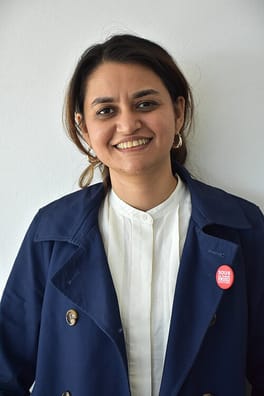
Photo: Ariela Ortiz-Barrantes / CC BY-SA 4.0 (source: Wikimedia Commons)
Payal Kapadia, born on January 4, 1986 in Mumbai, Bombay State, India, is a documentary filmmaker, film director and screenwriter. That puts Payal Kapadia at 40 years old in 2026. Schooling on record includes St. Xavier's College. Awards on record include Cannes Film Festival Grand Prix (2024).
My Take
Payal Kapadia feels like exactly the kind of filmmaker awards season needs more of. She started in documentary, and you can sense that observational patience in her work. Her 2021 feature A Night of Knowing Nothing took the Golden Eye at Cannes, and then she made history with the Grand Prix in 2024, a remarkable arc for an Indian director born in Mumbai. I respect that she came up through the documentary tradition rather than commercial cinema, because it shapes a sensibility you cannot fake. Watching an artist move from short films to the top tier of Cannes in just a few years is genuinely exciting.
This take was written by generative AI, one per person, from publicly reported facts (editorial policy). It is a reading of the record, not reporting.
1. Profile
- Name (English)
- Payal Kapadia
- Name (Japanese)
- パヤル・カパディア
- Reading
- ぱやる・かぱでぃあ
- Born
- January 4, 1986 (age 40)
- Origin
- Mumbai, Bombay State, India
- Occupation
- documentary filmmaker / film director / screenwriter
- Zodiac / Chinese zodiac
- Capricorn / Tiger
2. Background
- University
- St. Xavier's College
Awards & achievements
- 2024 Cannes Film Festival Grand Prix
3. Links
4. About this entry
Tags
- Last updated
Facts are limited to publicly available information up to 2024; non-public or unconfirmed items are omitted. English text is machine-assisted (facts translated by Sonnet, "My Take" written by Opus 4.8). The Japanese page is the source of record.
Frequently asked questions
When was Payal Kapadia born?
Born January 4, 1986 (age 40).
Where is Payal Kapadia from?
Payal Kapadia is from Mumbai, Bombay State, India.
What does Payal Kapadia do?
Payal Kapadia works as documentary filmmaker, film director, screenwriter.