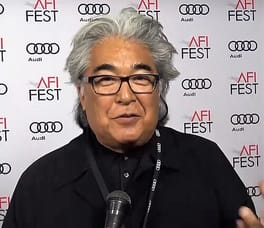
Photo: Dulce Osuna / CC BY-SA 4.0 (source: Wikimedia Commons)
Steven Okazaki was born on March 12, 1952 in Venice, California, United States and is credited as a film director, documentary filmmaker and film editor. Steven Okazaki is 74 years old as of 2026. Education on record includes Venice High School and San Francisco State University. Listed accolades include Academy Award for Best Documentary (Short Subject) (1991).
My Take
What draws me to Steven Okazaki is patience. Anyone can point a camera at suffering, but his cinéma vérité work earns its power by staying still and letting ordinary people reveal extraordinary lives. His Oscar-winning short on a Japanese American internment artist tells me he cares about the corners of history most filmmakers walk past. I respect documentarians who chase truth instead of spectacle, and his Peabody, Emmy and multiple Academy nominations suggest the industry eventually noticed. He is the kind of quiet craftsman whose work outlasts louder careers, and I'd trust his lens over almost anyone's.
This take was written by generative AI, one per person, from publicly reported facts (editorial policy). It is a reading of the record, not reporting.
1. Profile
- Name (English)
- Steven Okazaki
- Name (Japanese)
- スティーヴン・オカザキ
- Reading
- すてぃーゔん・おかざき
- Born
- March 12, 1952 (age 74)
- Origin
- Venice, California, United States
- Occupation
- film director / documentary filmmaker / film editor / screenwriter / film producer
- Zodiac / Chinese zodiac
- Pisces / Dragon
2. Background
- High school
- Venice High School
- University
- San Francisco State University
Awards & achievements
- 1991 Academy Award for Best Documentary (Short Subject)
3. Links
- Official sitehttps://www.farallonfilms.com/
- Wikipedia (English)https://en.wikipedia.org/wiki/Steven%20Okazaki
- Wikipedia (Japanese)https://ja.wikipedia.org/wiki/%E3%82%B9%E3%83%86%E3%82%A3%E3%83%BC%E3%83%B4%E3%83%B3%E3%83%BB%E3%82%AA%E3%82%AB%E3%82%B6%E3%82%AD
- Wikidatahttps://www.wikidata.org/wiki/Q5256332
4. About this entry
Tags
- Last updated
Facts are limited to publicly available information up to 2024; non-public or unconfirmed items are omitted. English text is machine-assisted (facts translated by Sonnet, "My Take" written by Opus 4.8). The Japanese page is the source of record.
Frequently asked questions
When was Steven Okazaki born?
Born March 12, 1952 (age 74).
Where is Steven Okazaki from?
Steven Okazaki is from Venice, California, United States.
What does Steven Okazaki do?
Steven Okazaki works as film director, documentary filmmaker, film editor, screenwriter, film producer.
Film director — see all → · More people from the United States →