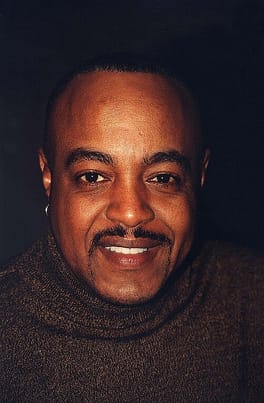
Photo: Kingkongphoto & www.celebrity-photos.com from Laurel Maryland, USA / CC BY-SA 2.0 (source: Wikimedia Commons)
Born on April 13, 1951, Peabo Bryson was from Greenville, South Carolina, United States. Public records list Peabo Bryson as a singer, singer-songwriter and composer. Death is recorded on June 2, 2026, at the age of 75.
My Take
Peabo Bryson is one of those voices that just stops you cold — velvet-smooth, impossibly warm, and built for those big cinematic moments that hit you right in the chest. Growing up in Greenville, South Carolina and breaking out in the mid-70s alongside Luther Vandross, he carved his own lane as the king of the romantic duet, which is honestly an underrated art form. His Capitol Records run in the late 70s gave us Gold-certified albums before most people knew his name, and then he spent the next few decades showing up on some of the most beloved soundtrack moments in movie history — Beauty and the Beast, Aladdin — paired with voices that matched his effortless elegance. He never needed a gimmick. Just a great song and that voice, and he owned the room every time.
This take was written by generative AI, one per person, from publicly reported facts (editorial policy). It is a reading of the record, not reporting.
1. Profile
- Name (English)
- Peabo Bryson
- Name (Japanese)
- ピーボ・ブライソン
- Reading
- ぴーぼ・ぶらいそん
- Born
- April 13, 1951 – June 2, 2026
- Origin
- Greenville, South Carolina, United States
- Occupation
- singer / singer-songwriter / composer / record producer / recording artist
- Zodiac / Chinese zodiac
- Aries / Rabbit
2. Links
- Official sitehttps://peabobryson.net
- Instagramhttps://www.instagram.com/peabobryson2/
- Xhttps://x.com/PeaboBryson2
- Wikipedia (English)https://en.wikipedia.org/wiki/Peabo%20Bryson
- Wikipedia (Japanese)https://ja.wikipedia.org/wiki/%E3%83%94%E3%83%BC%E3%83%9C%E3%83%BB%E3%83%96%E3%83%A9%E3%82%A4%E3%82%BD%E3%83%B3
- Wikidatahttps://www.wikidata.org/wiki/Q379548
3. About this entry
Tags
- Last updated
Only publicly available facts are listed; non-public or unconfirmed items are omitted. Base data was compiled from Wikidata from June 2026 onward; ages are recalculated daily and deaths are checked against Wikidata on an ongoing basis. English text is machine-assisted (facts translated by Sonnet, "My Take" written by Opus 4.8). The Japanese page is the source of record.
Frequently asked questions
When was Peabo Bryson born?
Peabo Bryson was born on April 13, 1951.
When did Peabo Bryson die?
Peabo Bryson died on June 2, 2026, aged 75.
Where was Peabo Bryson from?
Peabo Bryson was from Greenville, South Carolina, United States.
What did Peabo Bryson do?
Peabo Bryson worked as singer, singer-songwriter, composer, record producer, recording artist.
Singer — see all → · Singer-songwriter — see all → · More people from the United States → · More people born on April 13 →