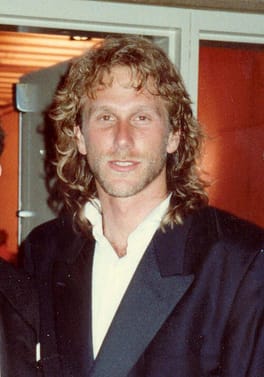
Photo: Alan Light / CC BY 2.0 (source: Wikimedia Commons)
Peter Horton, born on August 20, 1953 in Bellevue, Washington, United States, is an actor, film director and television director. That puts Peter Horton at 73 years old in 2026. Education on record includes Redwood High School and Principia College. Notable works include Children of the Corn and The Baby-Sitters Club.
My Take
What I appreciate about Peter Horton is the quiet pivot from in-front-of-camera to behind it. Many actors cling to the spotlight; he chose the harder, less glamorous craft of directing and producing instead. To me, a director who has actually stood under the lights brings an empathy to the set that you can feel in the work. His range, from a creepy entry like Children of the Corn to family fare, suggests a working professional more interested in storytelling than ego. I have a soft spot for steady, long-haul craftsmen, and he reads like exactly that.
This take was written by generative AI, one per person, from publicly reported facts (editorial policy). It is a reading of the record, not reporting.
1. Profile
- Name (English)
- Peter Horton
- Name (Japanese)
- ピーター・ホートン
- Reading
- ぴーたー・ほーとん
- Born
- August 20, 1953 (age 73)
- Origin
- Bellevue, Washington, United States
- Occupation
- actor / director / film director / television director / film producer
- Zodiac / Chinese zodiac
- Leo / Snake
2. Background
- High school
- Redwood High School
- University
- Principia College
3. Works & records
Filmography / notable works
| Category | Title |
|---|---|
| Notable work | Children of the Corn |
| Notable work | The Baby-Sitters Club |
4. Links
5. About this entry
Tags
- Last updated
Facts are limited to publicly available information up to 2024; non-public or unconfirmed items are omitted. English text is machine-assisted (facts translated by Sonnet, "My Take" written by Opus 4.8). The Japanese page is the source of record.
Frequently asked questions
When was Peter Horton born?
Peter Horton was born on August 20, 1953 and is 73 years old.
Where is Peter Horton from?
Peter Horton is from Bellevue, Washington, United States.
What does Peter Horton do?
Peter Horton works as actor, director, film director, television director, film producer.
Where did Peter Horton study?
Peter Horton attended Principia College.
What is Peter Horton known for?
Peter Horton's notable works include Children of the Corn, The Baby-Sitters Club.
Actor — see all → · Director — see all → · More people from the United States → · More people born on August 20 →