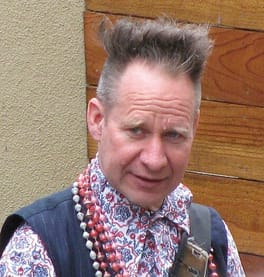
Photo: Antandrus at English Wikipedia / CC BY-SA 3.0 (source: Wikimedia Commons)
Peter Sellars is credited as a theatre director, film director and screenwriter. Born on September 27, 1957, Peter Sellars is from Pittsburgh, Pennsylvania, United States. That works out to 68 years old in 2026. Schooling on record includes Harvard University. Awards on record include MacArthur Fellows Program, Erasmus Prize (1998) and Polar Music Prize (2014).
My Take
Sellars is a genuine visionary, and I do not use that word lightly. Harvard-trained and Pittsburgh-born, he reimagines classical and contemporary opera and theatre with a boldness few directors dare attempt, which the MacArthur Fellowship, the Erasmus Prize and the Polar Music Prize all underline. What fascinates me most is his teaching at UCLA, framing art as social and moral action; this is someone who treats the stage as a tool for changing the world, not merely decorating it. Half a century of restless, provocative work has made him a towering figure, and I deeply admire his refusal to play it safe.
This take was written by generative AI, one per person, from publicly reported facts (editorial policy). It is a reading of the record, not reporting.
1. Profile
- Name (English)
- Peter Sellars
- Name (Japanese)
- ピーター・セラーズ
- Reading
- ぴーたー・せらーず
- Born
- September 27, 1957 (age 68)
- Origin
- Pittsburgh, Pennsylvania, United States
- Occupation
- theatre director / film director / screenwriter / director / librettist
- Zodiac / Chinese zodiac
- Libra / Rooster
2. Background
- University
- Harvard University
Awards & achievements
- MacArthur Fellows Program
- 1998 Erasmus Prize
- 2014 Polar Music Prize
3. Links
4. About this entry
Tags
- Last updated
Facts are limited to publicly available information up to 2024; non-public or unconfirmed items are omitted. English text is machine-assisted (facts translated by Sonnet, "My Take" written by Opus 4.8). The Japanese page is the source of record.
Frequently asked questions
When was Peter Sellars born?
Born September 27, 1957 (age 68).
Where is Peter Sellars from?
Peter Sellars is from Pittsburgh, Pennsylvania, United States.
What does Peter Sellars do?
Peter Sellars works as theatre director, film director, screenwriter, director, librettist.
Theatre director — see all → · Film director — see all → · More people from the United States →