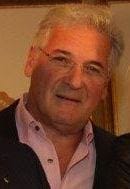
Photo: Mmaaff / CC BY-SA 4.0 (source: Wikimedia Commons)
Born on July 16, 1948, Pinchas Zukerman is from Tel Aviv, Israel. Pinchas Zukerman is credited as a conductor, music educator and violinist. The age as of 2026 is 78. Schooling on record includes Fiorello H. LaGuardia High School. Awards on record include Echo Klassik – Instrumentalist of the Year (2016) and Great Immigrants Award (2008).
My Take
Pinchas Zukerman is, to my mind, one of the last great titans of the golden-age violin tradition. Born in Tel Aviv and discovered by Isaac Stern, he came up alongside Itzhak Perlman, and that lineage shows in his warm, singing tone. What sets him apart for me is that he's a true triple threat, an elite violinist, a superb violist, and a serious conductor. I also deeply respect his dedication to teaching, he's shaped generations through his masterclasses. The Israeli-American musician carries the weight of an entire tradition, and whenever I hear him play Brahms or Mozart, it feels like history speaking. A living master.
This take was written by generative AI, one per person, from publicly reported facts (editorial policy). It is a reading of the record, not reporting.
1. Profile
- Name (English)
- Pinchas Zukerman
- Name (Japanese)
- ピンカス・ズーカーマン
- Reading
- ぴんかす・ずーかーまん
- Born
- July 16, 1948 (age 78)
- Origin
- Tel Aviv, Israel
- Occupation
- conductor / music educator / violinist / violist / actor
- Zodiac / Chinese zodiac
- Cancer / Rat
2. Background
- High school
- Fiorello H. LaGuardia High School
Awards & achievements
- 2016 Echo Klassik – Instrumentalist of the Year
- 2008 Great Immigrants Award
3. Links
4. About this entry
Tags
- Last updated
Facts are limited to publicly available information up to 2024; non-public or unconfirmed items are omitted. English text is machine-assisted (facts translated by Sonnet, "My Take" written by Opus 4.8). The Japanese page is the source of record.
Frequently asked questions
When was Pinchas Zukerman born?
Born July 16, 1948 (age 78).
Where is Pinchas Zukerman from?
Pinchas Zukerman is from Tel Aviv, Israel.
What does Pinchas Zukerman do?
Pinchas Zukerman works as conductor, music educator, violinist, violist, actor.
Conductor — see all → · Music educator — see all → · More people from Israel →