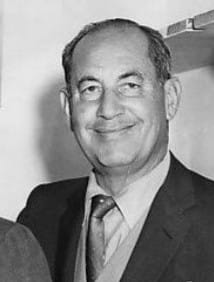
Photo: NBC Television-photo by Ethel Kirsner, NBC Press / Public domain (source: Wikimedia Commons)
Gummo Marx was a comedian, stage actor and businessperson. Gummo Marx was born in Manhattan, New York, United States on October 23, 1893. Death is recorded on April 21, 1977, at the age of 83.
My Take
Gummo Marx fascinates me precisely because he was the brother who left the spotlight. Drafted in 1918 and replaced on stage by Zeppo, he then built a quieter life as a theatrical agent and businessman, the steady hand behind a family of comic legends. I find that arc more compelling than another round of applause. There is a particular dignity in being the one who works the wings, who manages and supports rather than performs. The Marx name belongs to the stage, but Gummo reminds me that every great act needs someone backstage holding it together, and that role deserves its own quiet respect.
This take was written by generative AI, one per person, from publicly reported facts (editorial policy). It is a reading of the record, not reporting.
1. Profile
- Name (English)
- Gummo Marx
- Name (Japanese)
- ガンモ・マルクス
- Reading
- がんも・まるくす
- Born
- October 23, 1893 – April 21, 1977
- Origin
- Manhattan, New York, United States
- Occupation
- comedian / stage actor / businessperson / actor / talent manager
- Zodiac / Chinese zodiac
- Libra / Snake
2. Links
- Wikipedia (English)https://en.wikipedia.org/wiki/Gummo%20Marx
- Wikipedia (Japanese)https://ja.wikipedia.org/wiki/%E3%82%AC%E3%83%B3%E3%83%A2%E3%83%BB%E3%83%9E%E3%83%AB%E3%82%AF%E3%82%B9
- Wikidatahttps://www.wikidata.org/wiki/Q504548
3. About this entry
Tags
- Last updated
Facts are limited to publicly available information up to 2024; non-public or unconfirmed items are omitted. English text is machine-assisted (facts translated by Sonnet, "My Take" written by Opus 4.8). The Japanese page is the source of record.
Frequently asked questions
When was Gummo Marx born?
Born October 23, 1893.
When did Gummo Marx die?
Died April 21, 1977, aged 83.
Where was Gummo Marx from?
Gummo Marx was from Manhattan, New York, United States.
What did Gummo Marx do?
Gummo Marx worked as comedian, stage actor, businessperson, actor, talent manager.
Comedian — see all → · Stage actor — see all → · More people from the United States →