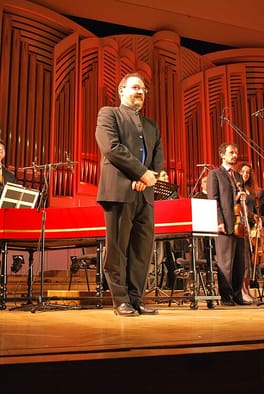
Photo: Mrug / CC BY-SA 4.0 (source: Wikimedia Commons)
Born on January 25, 1960, Rinaldo Alessandrini is from Rome, Province of Rome, Italy. Rinaldo Alessandrini is a harpsichordist, organist and conductor. The age as of 2026 is 66.
My Take
Rinaldo Alessandrini is the sort of artist I have deep reverence for. A Roman born in 1960, he became a virtuoso across harpsichord, fortepiano, and organ, and then founded Concerto Italiano to breathe life back into Monteverdi, Vivaldi, Bach, and the early Italian operatic repertoire. What fascinates me most is that he reportedly didn't begin piano until around fourteen, which makes his standing as a foremost interpreter of Baroque music all the more remarkable. That late start speaks to obsession more than precocity. I'm always moved by the scholar-performers who resurrect old music with fresh conviction, and Alessandrini is a genuine master of that craft.
This take was written by generative AI, one per person, from publicly reported facts (editorial policy). It is a reading of the record, not reporting.
1. Profile
- Name (English)
- Rinaldo Alessandrini
- Name (Japanese)
- リナルド・アレッサンドリーニ
- Reading
- りなるど・あれっさんどりーに
- Born
- January 25, 1960 (age 66)
- Origin
- Rome, Province of Rome, Italy
- Occupation
- harpsichordist / organist / conductor / pianist
- Zodiac / Chinese zodiac
- Aquarius / Rat
2. Links
3. About this entry
Tags
- Last updated
Facts are limited to publicly available information up to 2024; non-public or unconfirmed items are omitted. English text is machine-assisted (facts translated by Sonnet, "My Take" written by Opus 4.8). The Japanese page is the source of record.
Frequently asked questions
When was Rinaldo Alessandrini born?
Born January 25, 1960 (age 66).
Where is Rinaldo Alessandrini from?
Rinaldo Alessandrini is from Rome, Province of Rome, Italy.
What does Rinaldo Alessandrini do?
Rinaldo Alessandrini works as harpsichordist, organist, conductor, pianist.