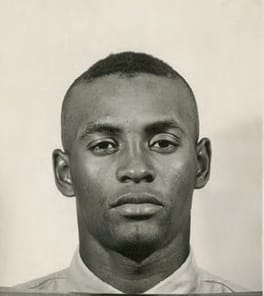
Photo: US Marines / Public domain (source: Wikimedia Commons)
Roberto Clemente, born on August 18, 1934 in Carolina, Puerto Rico, United States, was a baseball player. Roberto Clemente died on December 31, 1972 at the age of 38. Recorded honors include Babe Ruth Award, Commissioner's Historic Achievement Award, Presidential Citizens Medal and 4 more. The listed height was 180 cm.
My Take
Roberto Clemente is one of the few athletes whose character outshines an extraordinary career. Eighteen seasons with the Pittsburgh Pirates, an MVP in 1966, and a right-field arm spoken of like legend would alone secure his place. But what moves me is how he died: at thirty-eight, on a plane he boarded to personally deliver earthquake relief to Nicaragua. He literally gave his life trying to help strangers. The Hall of Fame waived its waiting period for him, and honors poured in afterward. Greatness and decency rarely run this deep in one person, and I find his story timeless.
This take was written by generative AI, one per person, from publicly reported facts (editorial policy). It is a reading of the record, not reporting.
1. Profile
- Name (English)
- Roberto Clemente
- Name (Japanese)
- ロベルト・クレメンテ
- Reading
- ろべると・くれめんて
- Born
- August 18, 1934 – December 31, 1972
- Origin
- Carolina, Puerto Rico, United States
- Height
- 180 cm
- Occupation
- baseball player
- Zodiac / Chinese zodiac
- Leo / Dog
2. Background
Awards & achievements
- Babe Ruth Award
- Commissioner's Historic Achievement Award
- Presidential Citizens Medal
- Rawlings Gold Glove Award
- 2003 Presidential Medal of Freedom
- Congressional Gold Medal
- 1966 Major League Baseball Most Valuable Player Award
3. Links
4. About this entry
Tags
- Last updated
Facts are limited to publicly available information up to 2024; non-public or unconfirmed items are omitted. English text is machine-assisted (facts translated by Sonnet, "My Take" written by Opus 4.8). The Japanese page is the source of record.
Frequently asked questions
When was Roberto Clemente born?
Roberto Clemente was born on August 18, 1934.
When did Roberto Clemente die?
Roberto Clemente died on December 31, 1972, aged 38.
Where was Roberto Clemente from?
Roberto Clemente was from Carolina, Puerto Rico, United States.
What did Roberto Clemente do?
Roberto Clemente worked as baseball player.
How tall was Roberto Clemente?
Roberto Clemente was 180 cm tall.
Baseball player — see all → · More people from the United States → · More people born on August 18 →