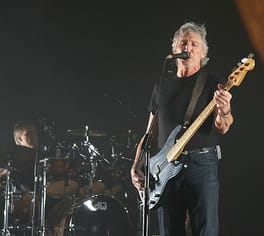
Photo: Eddie Berman / CC BY 2.0 (source: Wikimedia Commons)
Roger Waters is a composer, singer-songwriter and guitarist, born on September 6, 1943 in Great Bookham, United Kingdom. As of 2026, Roger Waters is 83 years old. Schooling on record includes Cambridgeshire High School for Boys and University of Westminster. The listed height is 190 cm.
My Take
What strikes me most about Roger Waters is that he approached rock music as conceptual architecture rather than entertainment. After Syd Barrett's departure, he turned Pink Floyd into a vehicle for grand, often uncomfortable ideas—alienation, war, the machinery of fame—and somehow made stadiums full of people sing along to them. I don't always agree with his politics, and his combativeness has cost him bandmates and friendships, but I respect an artist who refuses to soften with age. Eighty-plus and still picking fights with power: that stubbornness is, to me, the very essence of what rock and roll once promised to be.
This take was written by generative AI, one per person, from publicly reported facts (editorial policy). It is a reading of the record, not reporting.
1. Profile
- Name (English)
- Roger Waters
- Name (Japanese)
- ロジャー・ウォーターズ
- Reading
- ろじゃー・うぉーたーず
- Born
- September 6, 1943 (age 83)
- Origin
- Great Bookham, United Kingdom
- Height
- 190 cm
- Occupation
- composer / singer-songwriter / guitarist / screenwriter / singer
- Zodiac / Chinese zodiac
- Virgo / Goat
2. Background
- High school
- Cambridgeshire High School for Boys
- University
- University of Westminster
3. Links
- Official sitehttps://rogerwaters.com
- Instagramhttps://www.instagram.com/rogerwaters/
- Xhttps://x.com/rogerwaters
- Wikipedia (English)https://en.wikipedia.org/wiki/Roger%20Waters
- Wikipedia (Japanese)https://ja.wikipedia.org/wiki/%E3%83%AD%E3%82%B8%E3%83%A3%E3%83%BC%E3%83%BB%E3%82%A6%E3%82%A9%E3%83%BC%E3%82%BF%E3%83%BC%E3%82%BA
- Wikidatahttps://www.wikidata.org/wiki/Q180861
4. About this entry
Tags
- Last updated
Facts are limited to publicly available information up to 2024; non-public or unconfirmed items are omitted. English text is machine-assisted (facts translated by Sonnet, "My Take" written by Opus 4.8). The Japanese page is the source of record.
Frequently asked questions
When was Roger Waters born?
Born September 6, 1943 (age 83).
Where is Roger Waters from?
Roger Waters is from Great Bookham, United Kingdom.
What does Roger Waters do?
Roger Waters works as composer, singer-songwriter, guitarist, screenwriter, singer.
How tall is Roger Waters?
Roger Waters is 190 cm.
Composer — see all → · Singer-songwriter — see all → · More people from the United Kingdom →