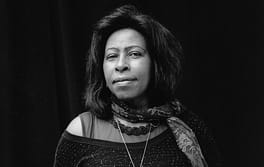
Photo: Thibaut De Corday / CC BY-SA 4.0 (source: Wikimedia Commons)
Scholastique Mukasonga was born on December 20, 1956 in Gikongoro Province, Rwanda. Public records list Scholastique Mukasonga as a writer. The age as of 2026 is 69. Listed accolades include Chevalier des Arts et des Lettres, Paul-Bourdarie prize (2011), Prix Renaudot (2012) and 2 more. Credited works include Our Lady of the Nile and The Barefoot Woman.
My Take
Scholastique Mukasonga is, to me, one of those writers whose work feels less like literature and more like an act of remembrance. Born in Rwanda's former Gikongoro province and later writing in France, she turned unbearable history into prose of real beauty, earning the Prix Renaudot and the Simone de Beauvoir Prize along the way. What moves me is the moral weight of her project: refusing to let the lost be forgotten. Books like Our Lady of the Nile and The Barefoot Woman carry a responsibility most fiction never attempts. I hold deep admiration for the courage that kind of writing demands.
This take was written by generative AI, one per person, from publicly reported facts (editorial policy). It is a reading of the record, not reporting.
1. Profile
- Name (English)
- Scholastique Mukasonga
- Name (Japanese)
- ショラスティック・ムカソンガ
- Reading
- しょらすてぃっく・むかそんが
- Born
- December 20, 1956 (age 69)
- Origin
- Gikongoro Province, Rwanda
- Occupation
- writer
- Zodiac / Chinese zodiac
- Sagittarius / Monkey
2. Background
Awards & achievements
- Chevalier des Arts et des Lettres
- 2011 Paul-Bourdarie prize
- 2012 Prix Renaudot
- 2012 Prix Ahmadou-Kourouma
- 2021 Simone de Beauvoir Prize
3. Works & records
Filmography / notable works
| Category | Title |
|---|---|
| Notable work | Our Lady of the Nile |
| Notable work | The Barefoot Woman |
4. Links
- Official sitehttps://www.scholastiquemukasonga.com
- Instagramhttps://www.instagram.com/scholastiquemukaso/
- Xhttps://x.com/Mukasonga
- Wikipedia (English)https://en.wikipedia.org/wiki/Scholastique%20Mukasonga
- Wikipedia (Japanese)https://ja.wikipedia.org/wiki/%E3%82%B9%E3%82%B3%E3%83%A9%E3%82%B9%E3%83%86%E3%82%A3%E3%83%83%E3%82%AF%E3%83%BB%E3%83%A0%E3%82%AB%E3%82%BD%E3%83%B3%E3%82%AC
- Wikidatahttps://www.wikidata.org/wiki/Q3475485
5. About this entry
Tags
- Last updated
Facts are limited to publicly available information up to 2024; non-public or unconfirmed items are omitted. English text is machine-assisted (facts translated by Sonnet, "My Take" written by Opus 4.8). The Japanese page is the source of record.
Frequently asked questions
When was Scholastique Mukasonga born?
Born December 20, 1956 (age 69).
Where is Scholastique Mukasonga from?
Scholastique Mukasonga is from Gikongoro Province, Rwanda.
What does Scholastique Mukasonga do?
Scholastique Mukasonga works as writer.
What is Scholastique Mukasonga known for?
Notable works include Our Lady of the Nile, The Barefoot Woman.