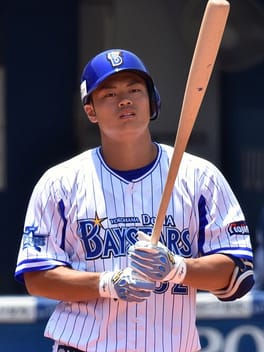
Photo: Baylexs / CC BY-SA 4.0 (source: Wikimedia Commons)
My Take
I have a real soft spot for guys like Seiya Hosokawa, the big kid out of Kitaibaraki who got drafted straight from high school and then had to grind. For a while there it felt like he was forever shuttling between the farm team and the big leagues, the kind of prospect you keep waiting on, wondering if it'll ever click. Then he lands with the Dragons in Nagoya and suddenly that 181cm frame is depositing balls into the bleachers and you're up out of your seat yelling that it was all worth it. What gets me isn't raw talent, it's the stubbornness, the way he just refused to fade and clawed his way into an everyday role. That patient, earned breakout is way more lovable than any overnight phenom. Keep launching them, man.
This take was written by generative AI, one per person, from publicly reported facts (editorial policy). It is a reading of the record, not reporting.
Overview
Seiya Hosokawa is a Japanese professional baseball player born on August 4, 1998, in Kitaibaraki, Ibaraki Prefecture. He stands 181 cm tall and attended Meishu Gakuen Hitachi High School in Ibaraki. Details of his agency affiliation and professional debut remain undisclosed.
1. Profile
- Name (English)
- Seiya Hosokawa
- Name (Japanese)
- 細川成也
- Reading
- ほそかわ せいや
- Born
- August 4, 1998 (age 28)
- Origin
- Kitaibaraki, Ibaraki Prefecture, Japan
- Height
- 181 cm
- Occupation
- Baseball player
- Zodiac / Chinese zodiac
- Leo / Tiger
2. Background
- High school
- Meishu Gakuen Hitachi High School
3. Links
4. About this entry
Tags
- Last updated
Facts are limited to publicly available information up to 2024; non-public or unconfirmed items are omitted. English text is machine-assisted (facts translated by Sonnet, "My Take" written by Opus 4.8). The Japanese page is the source of record.
Frequently asked questions
When was Seiya Hosokawa born?
Born August 4, 1998 (age 28).
Where is Seiya Hosokawa from?
Seiya Hosokawa is from Kitaibaraki, Ibaraki Prefecture, Japan.
What does Seiya Hosokawa do?
Seiya Hosokawa works as Baseball player.
How tall is Seiya Hosokawa?
Seiya Hosokawa is 181 cm.