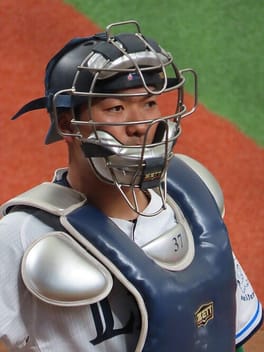
Photo: 30-tori / CC BY-SA 4.0 (source: Wikimedia Commons)
My Take
Sena Tsuge is a baseball player out of Takasaki, Gunma — and honestly, there's something quietly compelling about that. Gunma isn't exactly the glamour capital of Japan, but it breeds a certain kind of toughness, and I like to think the dry winds off the Kanto Plain have something to do with it. Born in 1997, he's right at that age where a ballplayer starts to figure out who he really is on the field — the flashy potential of the early years gives way to something more grounded and reliable. He catches for the Saitama Seibu Lions, a position that rewards exactly that kind of steadiness. The guy who keeps his head down, does the work, and lets the game speak — that's a type I have a lot of respect for. Quietly rooting for him from the sidelines.
This take was written by generative AI, one per person, from publicly reported facts (editorial policy). It is a reading of the record, not reporting.
Overview
Sena Tsuge is a Japanese baseball player born on June 3, 1997, in Takasaki, Gunma Prefecture. He is a catcher for the Saitama Seibu Lions.
1. Profile
- Name (English)
- Sena Tsuge
- Name (Japanese)
- 柘植世那
- Reading
- つげ せな
- Born
- June 3, 1997 (age 29)
- Origin
- Takasaki, Gunma Prefecture, Japan
- Occupation
- Baseball player
- Zodiac / Chinese zodiac
- Gemini / Ox
2. Links
- Instagramhttps://www.instagram.com/tsugesena37/
- Wikipedia (Japanese)https://ja.wikipedia.org/wiki/%E6%9F%98%E6%A4%8D%E4%B8%96%E9%82%A3
- Wikidatahttps://www.wikidata.org/wiki/Q85586884
3. About this entry
Tags
- Last updated
Only publicly available facts are listed; non-public or unconfirmed items are omitted. Base data was compiled from Wikidata from June 2026 onward; ages are recalculated daily and deaths are checked against Wikidata on an ongoing basis. English text is machine-assisted (facts translated by Sonnet, "My Take" written by Opus 4.8). The Japanese page is the source of record.
Frequently asked questions
When was Sena Tsuge born?
Sena Tsuge was born on June 3, 1997 and is 29 years old.
Where is Sena Tsuge from?
Sena Tsuge is from Takasaki, Gunma Prefecture, Japan.
What does Sena Tsuge do?
Sena Tsuge works as Baseball player.
Baseball player — see all → · More people from Japan → · More people born on June 3 →