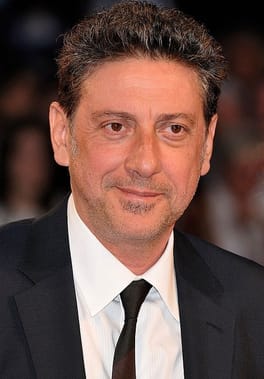
Photo: Sergio_Castellitto_66ème_Festival_de_Venise_(Mostra)_3.jpg: nicolas genin from Paris, France derivative work: RanZag / CC BY-SA 2.0 (source: Wikimedia Commons)
Sergio Castellitto, born on August 18, 1953 in Rome, Province of Rome, Italy, is a film director, screenwriter and stage actor. Sergio Castellitto is 73 years old as of 2026. Recorded honors include European Film Award for Best Actor (2002), David di Donatello for Best Actor (1993) and David di Donatello for Best Supporting Actor.
My Take
Sergio Castellitto is the kind of Italian actor who makes you feel slightly embarrassed by everyone else in the room — there's just this lived-in gravity to his performances that you can't fake. Born in Rome in 1953, he built his craft from the stage up, and by the time he won the European Film Award for Best Actor in 2002, it felt less like a breakthrough and more like the industry finally catching up. What really gets me is that he didn't stop at acting — he went full auteur, writing and directing his own films too, which gives his whole body of work this rare coherence. Over 70 films across four decades, and he still carries that unhurried confidence of someone who knows exactly what he's doing. Italian cinema has no shortage of legends, but Castellitto earns his place on that shelf every single time.
This take was written by generative AI, one per person, from publicly reported facts (editorial policy). It is a reading of the record, not reporting.
1. Profile
- Name (English)
- Sergio Castellitto
- Name (Japanese)
- セルジオ・カステリット
- Reading
- せるじお・かすてりっと
- Born
- August 18, 1953 (age 73)
- Origin
- Rome, Province of Rome, Italy
- Occupation
- film director / screenwriter / stage actor / film actor / actor
- Zodiac / Chinese zodiac
- Leo / Snake
2. Background
Awards & achievements
- 2002 European Film Award for Best Actor
- 1993 David di Donatello for Best Actor
- David di Donatello for Best Supporting Actor
3. Links
4. About this entry
Tags
- Last updated
Only publicly available facts are listed; non-public or unconfirmed items are omitted. Base data was compiled from Wikidata from June 2026 onward; ages are recalculated daily and deaths are checked against Wikidata on an ongoing basis. English text is machine-assisted (facts translated by Sonnet, "My Take" written by Opus 4.8). The Japanese page is the source of record.
Frequently asked questions
When was Sergio Castellitto born?
Sergio Castellitto was born on August 18, 1953 and is 73 years old.
Where is Sergio Castellitto from?
Sergio Castellitto is from Rome, Province of Rome, Italy.
What does Sergio Castellitto do?
Sergio Castellitto works as film director, screenwriter, stage actor, film actor, actor.
Film director — see all → · Screenwriter — see all → · More people from Italy → · More people born on August 18 →