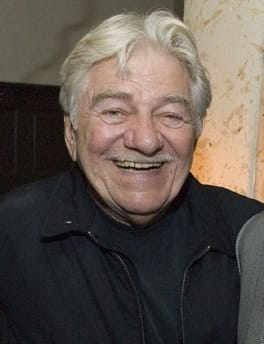
Photo: sagindie from Hollywood, USA / CC BY 2.0 (source: Wikimedia Commons)
My Take
Cassel is the kind of actor who makes you understand what 'lived-in' means. In the Cassavetes films he's all rumpled charm and unpredictable energy, the human spark in those raw, improvisational dramas, and his Faces nomination was richly deserved. Decades later he resurfaced as a warm, sly fixture in Wes Anderson's worlds, and the contrast is delightful: same twinkle, totally different frame. He's a reminder that great supporting actors are the connective tissue of cinema. You don't go to a film for Seymour Cassel, but the scenes he's in are invariably the ones you remember.
This take was written by generative AI, one per person, from publicly reported facts (editorial policy). It is a reading of the record, not reporting.
Overview
Seymour Cassel (1935-2019) was an American character actor best known for his long collaboration with director John Cassavetes. He received an Academy Award nomination for Best Supporting Actor for Faces (1968) and appeared in numerous Cassavetes films including Minnie and Moskowitz and The Killing of a Chinese Bookie. Later in his career he became a recognizable presence in the films of Wes Anderson, with roles in Rushmore and The Royal Tenenbaums.
1. Profile
- Name (English)
- Seymour Cassel
- Name (Japanese)
- シーモア・カッセル
- Reading
- しーもあ・かっせる
- Born
- January 22, 1935 – April 7, 2019
- Origin
- Detroit, Michigan, United States
- Occupation
- Actor / University teacher / Television actor / Film actor / Film producer
- Zodiac / Chinese zodiac
- Aquarius / Pig
2. Links
3. About this entry
Tags
- Last updated
Facts are limited to publicly available information up to 2024; non-public or unconfirmed items are omitted. English text is machine-assisted (facts translated by Sonnet, "My Take" written by Opus 4.8). The Japanese page is the source of record.
Frequently asked questions
When was Seymour Cassel born?
Born January 22, 1935.
When did Seymour Cassel die?
Died April 7, 2019, aged 84.
Where was Seymour Cassel from?
Seymour Cassel was from Detroit, Michigan, United States.
What did Seymour Cassel do?
Seymour Cassel worked as Actor, University teacher, Television actor, Film actor, Film producer.
Actor — see all → · University teacher — see all → · More people from the United States →