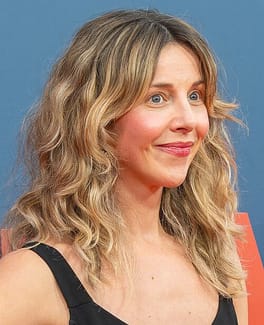
Photo: Raph_PH / CC BY 2.0 (source: Wikimedia Commons)
Born on November 15, 1983 in Attenborough, United Kingdom, Sophia Di Martino is a film actor and film director. Sophia Di Martino is 42 years old as of 2026. Schooling on record includes University of Salford.
My Take
For me, Sophia Di Martino is proof that a steady British television career can suddenly explode onto a global stage. I knew her from grounded ensemble shows like Casualty and the dark comedy Flowers, so watching her become Sylvie in Loki felt like a genuine breakout rather than an overnight gimmick. What I appreciate is that two MTV Movie and TV Awards and a Critics' Choice nomination came from a role that demanded real range, not just franchise momentum. The University of Salford background also tells me she came up the grounded way. I'm curious to see where she takes her directing alongside the acting.
This take was written by generative AI, one per person, from publicly reported facts (editorial policy). It is a reading of the record, not reporting.
1. Profile
- Name (English)
- Sophia Di Martino
- Name (Japanese)
- ソフィア・ディ・マルティノー
- Reading
- そふぃあ・でぃ・まるてぃのー
- Born
- November 15, 1983 (age 42)
- Origin
- Attenborough, United Kingdom
- Occupation
- actor / film actor / film director
- Zodiac / Chinese zodiac
- Scorpio / Boar
2. Background
- University
- University of Salford
3. Links
- Instagramhttps://www.instagram.com/itssophiadimartino/
- Wikipedia (English)https://en.wikipedia.org/wiki/Sophia%20Di%20Martino
- Wikipedia (Japanese)https://ja.wikipedia.org/wiki/%E3%82%BD%E3%83%95%E3%82%A3%E3%82%A2%E3%83%BB%E3%83%87%E3%82%A3%E3%83%BB%E3%83%9E%E3%83%AB%E3%83%86%E3%82%A3%E3%83%BC%E3%83%8E
- Wikidatahttps://www.wikidata.org/wiki/Q7562868
4. About this entry
Tags
- Last updated
Facts are limited to publicly available information up to 2024; non-public or unconfirmed items are omitted. English text is machine-assisted (facts translated by Sonnet, "My Take" written by Opus 4.8). The Japanese page is the source of record.
Frequently asked questions
When was Sophia Di Martino born?
Sophia Di Martino was born on November 15, 1983 and is 42 years old.
Where is Sophia Di Martino from?
Sophia Di Martino is from Attenborough, United Kingdom.
What does Sophia Di Martino do?
Sophia Di Martino works as actor, film actor, film director.
Where did Sophia Di Martino study?
Sophia Di Martino attended University of Salford.
Actor — see all → · Film actor — see all → · More people from the United Kingdom → · More people born on November 15 →