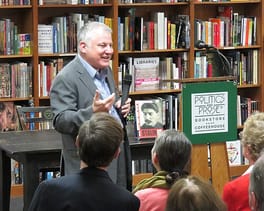
Photo: Taylordw / CC BY-SA 4.0 (source: Wikimedia Commons)
Stephen Kotkin is a historian, author and university teacher, born on February 17, 1959 in Englewood, New Jersey, United States. As of 2026, Stephen Kotkin is 67 years old. Schooling on record includes University of California, Berkeley. Recorded honors include Guggenheim Fellowship. Credited works include Stalin: Paradoxes of Power, 1878-1928 and Stalin: Waiting for Hitler, 1929-1941.
My Take
Stephen Kotkin is, to me, one of the most formidable minds working in history today. His monumental multi-volume biography of Stalin, with titles like Paradoxes of Power and Waiting for Hitler, reflects an almost obsessive scholarly stamina I deeply admire. Berkeley-trained, three decades at Princeton, and now at the Hoover Institution, he is a Guggenheim Fellow who excavates the darkest corners of the twentieth century from mountains of archival sources. I have always been more moved by people who do quiet, gargantuan work than by flashy celebrity. When it comes to explaining power and history, I can think of few I trust more.
This take was written by generative AI, one per person, from publicly reported facts (editorial policy). It is a reading of the record, not reporting.
1. Profile
- Name (English)
- Stephen Kotkin
- Name (Japanese)
- スティーヴン・コトキン
- Reading
- すてぃーゔん・こときん
- Born
- February 17, 1959 (age 67)
- Origin
- Englewood, New Jersey, United States
- Occupation
- historian / author / university teacher
- Zodiac / Chinese zodiac
- Aquarius / Boar
2. Background
- University
- University of California, Berkeley
Awards & achievements
- Guggenheim Fellowship
3. Works & records
Filmography / notable works
| Category | Title |
|---|---|
| Notable work | Stalin: Paradoxes of Power, 1878-1928 |
| Notable work | Stalin: Waiting for Hitler, 1929-1941 |
4. Links
5. About this entry
Tags
- Last updated
Facts are limited to publicly available information up to 2024; non-public or unconfirmed items are omitted. English text is machine-assisted (facts translated by Sonnet, "My Take" written by Opus 4.8). The Japanese page is the source of record.
Frequently asked questions
When was Stephen Kotkin born?
Born February 17, 1959 (age 67).
Where is Stephen Kotkin from?
Stephen Kotkin is from Englewood, New Jersey, United States.
What does Stephen Kotkin do?
Stephen Kotkin works as historian, author, university teacher.
What is Stephen Kotkin known for?
Notable works include Stalin: Paradoxes of Power, 1878-1928, Stalin: Waiting for Hitler, 1929-1941.
Historian — see all → · Author — see all → · More people from the United States →