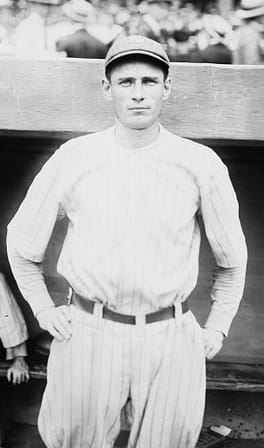
Photo: Bain News Service / Public domain (source: Wikimedia Commons)
Wally Pipp was born on February 17, 1893 in Chicago, Illinois, United States. Public records list Wally Pipp as a baseball player. Death is recorded on January 11, 1965, at the age of 71. Schooling on record includes Catholic Central High School and The Catholic University of America.
My Take
Wally Pipp deserves better than the cautionary tale he became. A capable first baseman for the Tigers, Yankees, and Reds across 1913 to 1928, he is remembered chiefly for the day he sat out and Lou Gehrig took over for good. That is a cruel reduction of a real big-league career, including a stretch as a home run leader. Yet I find a strange grace in his story: every legend needs an opening, and Pipp's misfortune became the doorway to one of baseball's greatest streaks. His name endures, which is its own kind of immortality, and I think that is worth honoring.
This take was written by generative AI, one per person, from publicly reported facts (editorial policy). It is a reading of the record, not reporting.
1. Profile
- Name (English)
- Wally Pipp
- Name (Japanese)
- ウォーリー・ピップ
- Reading
- うぉーりー・ぴっぷ
- Born
- February 17, 1893 – January 11, 1965
- Origin
- Chicago, Illinois, United States
- Occupation
- baseball player
- Zodiac / Chinese zodiac
- Aquarius / Snake
2. Background
- High school
- Catholic Central High School
- University
- The Catholic University of America
3. Links
4. About this entry
Tags
- Last updated
Facts are limited to publicly available information up to 2024; non-public or unconfirmed items are omitted. English text is machine-assisted (facts translated by Sonnet, "My Take" written by Opus 4.8). The Japanese page is the source of record.
Frequently asked questions
When was Wally Pipp born?
Born February 17, 1893.
When did Wally Pipp die?
Died January 11, 1965, aged 71.
Where was Wally Pipp from?
Wally Pipp was from Chicago, Illinois, United States.
What did Wally Pipp do?
Wally Pipp worked as baseball player.
Baseball player — see all → · More people from the United States →