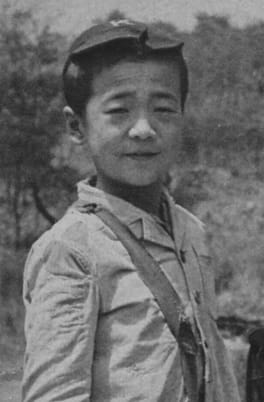
Photo: Unknown photographer / Public domain (source: Wikimedia Commons)
My Take
Takao Zushi is exactly the kind of actor who never gets enough credit. Born in Toyonaka, Osaka in 1946 — right in the thick of postwar Japan — and starting out as a child actor, he belonged to a generation where you learned the craft by doing it, not studying it. That early-onset stage life has a way of seeping into the bones; you can usually spot it in the stillness of a veteran performer, the way they fill silence without forcing it. He was never the flashy leading-man type, but those supporting players are the ones who quietly hold a whole production together, and Japanese film and television of the Showa era had a serious depth of talent in that lane. Zushi was part of it. He passed away in April 2005 at 58, which feels too soon for someone who had been at this since childhood — but a life spent working in front of a camera from the very start is genuinely rare, and that's worth sitting with.
This take was written by generative AI, one per person, from publicly reported facts (editorial policy). It is a reading of the record, not reporting.
Overview
Takao Zushi (1946–2005) was a Japanese actor born in Toyonaka, Osaka, who began performing as a child. He worked as a supporting actor across Japanese film and television during the postwar Showa era. He passed away on April 1, 2005.
1. Profile
- Name (English)
- Takao Zushi
- Name (Japanese)
- 頭師孝雄
- Reading
- ずし たかお
- Born
- June 25, 1946 – April 1, 2005
- Origin
- Toyonaka, Osaka, Japan
- Occupation
- Actor / Child Actor
- Zodiac / Chinese zodiac
- Cancer / Dog
- Active years
- 1956 - 2005
2. Works & records
Works summary
- Appearances
- 233 (1958–2005)
- By year
- 1958: 5, 1959: 1, 1960: 3, 1961: 1, 1963: 3, 1964: 1, 1966: 3, 1967: 1, 1968: 4, 1969: 4, 1970: 4, 1971: 4, 1972: 2, 1973: 3, 1974: 6, 1975: 8, 1976: 4, 1977: 7, 1978: 4, 1979: 7, 1980: 4, 1981: 5, 1982: 7, 1983: 9, 1984: 8, 1985: 4, 1986: 5, 1987: 7, 1988: 7, 1989: 3, 1990: 6, 1991: 5, 1992: 9, 1993: 4, 1994: 4, 1995: 9, 1996: 5, 1997: 4, 1998: 4, 1999: 8, 2000: 4, 2001: 2, 2002: 2, 2003: 2, 2004: 2, 2005: 1
- Debut work
- 草笛の丘
Filmography / notable works
| Category | Title | Year |
|---|---|---|
| その他の局 | 二人ばんがく | 2005 |
| TBS系 | 痛快!チビッコの悪退治 -高知- | 2004 |
| TBS系 | 殺意の分岐点 | 2004 |
| TBS系 | 助さんの相棒は娘スリ -輪島- | 2003 |
| TBS系 | 日曜劇場 / GOOD LUCK!! | 2003 |
| TBS系 | お娟にぞっこん! 親父と息子 -掛川- | 2002 |
| Radio drama | 青春アドベンチャー しゃばけ | 2002 |
| TBS系 | 第6シリーズ | 2001 |
| TBS系 | はめられた名奉行 -御成門- | 2001 |
| Film | 雨あがる | 2000 |
| TBS系 | 母子涙の大井川 -島田- | 2000 |
| テレビ朝日系 | 東北新幹線やまびこ、トンネル殺人7分の罠 | 2000 |
| Original video | トイチの身代金 | 2000 |
| NHK | 元禄繚乱 | 1999 |
| NHK | しくじり鏡三郎 | 1999 |
| TBS系 | 消えた美女二人 | 1999 |
| フジテレビ系 | 金曜エンタテイメント / 京都祇園入り婿刑事事件簿 第4作 | 1999 |
| フジテレビ系 | 備前岡山でもらった恋文 | 1999 |
| テレビ朝日系 | 三方五湖・悪魔の逆転殺人! | 1999 |
| テレビ朝日系 | 第12シリーズ | 1999 |
| テレビ朝日系 | 母なればこそ・椿の花は知っていた | 1999 |
| NHK | 徳川慶喜 | 1998 |
| TBS系 | 鬼を生き返らせた名医 | 1998 |
| フジテレビ系 | 兎と熊 | 1998 |
| テレビ朝日系 | 金属バットで夫を殺した女!! | 1998 |
| 日本テレビ系 | 身元不明 | 1997 |
| TBS系 | 狙われた放蕩息子 -新庄- | 1997 |
| フジテレビ系 | あんぶれらあ | 1997 |
| テレビ朝日系 | 社宅夫人の闘い! 競馬予想の女 | 1997 |
| TBS系 | 罪を前払いした男 | 1996 |
| テレビ朝日系 | 安浦刑事 拳銃を撃つ!? | 1996 |
| テレビ朝日系 | 三毛猫ホームズの推理 女子大寮連続殺人! 密室トリックの謎! | 1996 |
| テレビ東京系 | トカレフ | 1996 |
| テレビ東京系 | 事件・市民の判決 | 1996 |
| NHK | 春よ、来い | 1995 |
| NHK | 照柿 | 1995 |
| TBS系 | 白いお髭の意地比べ -萩- | 1995 |
| TBS系 | お髭を染めた黄門さま -大坂- | 1995 |
| TBS系 | 一色京太郎事件ノート | 1995 |
| フジテレビ系 | 危険な関係 | 1995 |
| テレビ朝日系 | お立ち台ギャルとブルセラ女子高生の秘密 | 1995 |
| テレビ朝日系 | 伊賀者一代血の詫び状 | 1995 |
| テレビ東京系 | きれた絆 | 1995 |
| 日本テレビ系 | 松本清張スペシャル・喪失の儀礼 | 1994 |
| TBS系 | 意外な目撃者 | 1994 |
| テレビ朝日系 | 女金貸しの仇討ち | 1994 |
| テレビ朝日系 | お泣き地蔵の恋 | 1994 |
| Film | まあだだよ | 1993 |
| Film | 国会へ行こう! | 1993 |
| TBS系 | 誘拐された黄門様 -豊岡- | 1993 |
| テレビ東京系 | 吉原御法度破り! | 1993 |
| Film | おろしや国酔夢譚 | 1992 |
| NHK | 番場町別宅 | 1992 |
| 日本テレビ系 | 博多-札幌殺人ルート | 1992 |
| 日本テレビ系 | 幸福の向こう側 | 1992 |
| 日本テレビ系 | 奇妙な娘 | 1992 |
| 日本テレビ系 | 朝の連続ドラマ / 珠玉の女 | 1992 |
| TBS系 | 命がけの婿入り志願 | 1992 |
| テレビ朝日系 | 殺人化粧の女 | 1992 |
| テレビ朝日系 | 大金を猫ばばした母と娘 | 1992 |
3. Links
- Wikipedia (Japanese)https://ja.wikipedia.org/wiki/%E9%A0%AD%E5%B8%AB%E5%AD%9D%E9%9B%84
- Wikidatahttps://www.wikidata.org/wiki/Q11664936
4. About this entry
Tags
- Last updated
Facts are limited to publicly available information up to 2024; non-public or unconfirmed items are omitted. Works and profile fields sourced from Wikipedia reflect content as of 2026-08-26. English text is machine-assisted (facts translated by Sonnet, "My Take" written by Opus 4.8). The Japanese page is the source of record.
Frequently asked questions
When was Takao Zushi born?
Born June 25, 1946.
When did Takao Zushi die?
Died April 1, 2005, aged 58.
Where was Takao Zushi from?
Takao Zushi was from Toyonaka, Osaka, Japan.
What did Takao Zushi do?
Takao Zushi worked as Actor, Child Actor.
When was Takao Zushi active?
1956 - 2005.
What was Takao Zushi known for?
Notable works include 二人ばんがく, 痛快!チビッコの悪退治 -高知-, 殺意の分岐点.
Actor — see all → · Child Actor — see all → · More people from Japan →