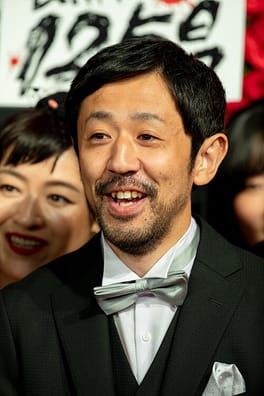
Photo: Dick Thomas Johnson from Tokyo, Japan / CC BY 2.0 (source: Wikimedia Commons)
My Take
Honestly, Takayuki Hamatsu is the kind of underdog story I never get tired of rooting for. Here's a guy from Kawaguchi in Saitama who spent years grinding away on stage, and then "One Cut of the Dead" comes along and suddenly half the world knows his face. What I love is that he doesn't look like a polished movie star at all, he's got this rumpled, regular-dude quality, the guy you'd see at the local izakaya, and that ordinariness is exactly what makes him so easy to believe on screen. There's something earnest and a little frantic about his performances, all sweat and commitment, that makes me want to cheer him on. He feels grounded, humble, and genuinely deserving of every bit of luck he got. Total people's champion.
This take was written by generative AI, one per person, from publicly reported facts (editorial policy). It is a reading of the record, not reporting.
Overview
Takayuki Hamatsu is a Japanese actor and former comedian born on August 25, 1981, in Kawaguchi, Saitama Prefecture. He built his career steadily through stage performance before gaining wide public recognition. He attended Toyo Gakuen University and is known for his everyman presence that translates naturally to both comedic and dramatic roles. He is represented by Animo Produce.
1. Profile
- Name (English)
- Takayuki Hamatsu
- Name (Japanese)
- 濱津隆之
- Reading
- はまつ たかゆき
- Born
- August 25, 1981 (age 45)
- Origin
- Kawaguchi, Saitama Prefecture, Japan
- Height
- 175 cm
- Occupation
- Actor / Stage Actor / Comedy Entertainer / Disc Jockey
- Zodiac / Chinese zodiac
- Virgo / Rooster
- Blood type
- A
- Active years
- 2011 -
2. Background
- University
- Toyo Gakuen University
3. Works & records
Works summary
- Appearances
- 209 (2012–2026)
- By year (titles with a known year)
- 2012: 1, 2013: 3, 2014: 4, 2015: 6, 2016: 4, 2017: 5, 2018: 26, 2019: 40, 2020: 22, 2021: 25, 2022: 17, 2023: 15, 2024: 9, 2025: 13, 2026: 5, year unknown: 14
- Debut work
- 決定版 十一ぴきのネコ
Filmography / notable works
| Category | Title | Year |
|---|---|---|
| TV drama | うちの弁護士はまたしても手がかかる | 2026 |
| TV drama | テミスの不確かな法廷 第1話 - | 2026 |
| TV drama | ヤンドク! 第1話 | 2026 |
| TV drama | 時光代理人 第9話 | 2026 |
| TV drama | 夫に不倫をお願いされました | 2026 |
| Film | ブラックホールに願いを! | 2025 |
| TV drama | 絶メシロード 開幕編 | 2025 |
| TV drama | 絶メシロード 2025 | 2025 |
| TV drama | 絶メシロード 閉幕編 | 2025 |
| TV drama | 秘密〜THE TOP SECRET〜 | 2025 |
| TV drama | 天久鷹央の推理カルテ 第3話・第4話 | 2025 |
| TV drama | 看守の流儀 | 2025 |
| TV drama | DOCTOR PRICE 第1話 | 2025 |
| TV drama | 明日はもっと、いい日になる 第1話 | 2025 |
| TV drama | FOGDOG 第5話・第6話 | 2025 |
| TV drama | 推しが上司になりまして フルスロットル | 2025 |
| TV drama | 晩酌の流儀4 ~秋冬編~ 第8話 | 2025 |
| TV drama | 生放送まで30分 | 2025 |
| Film | Kingdom 4: Return of the Great General | 2024 |
| Film | 身代わり忠臣蔵 | 2024 |
| Film | 他人は地獄だ | 2024 |
| TV drama | 絶メシロード 2024 | 2024 |
| TV drama | 夫を社会的に抹殺する5つの方法 Season2 | 2024 |
| TV drama | 新空港占拠 | 2024 |
| TV drama | アン子 大いに怒る | 2024 |
| TV drama | 95 第7話 | 2024 |
| TV drama | エンジェルフライト 国際霊柩送還士 エピソード4 | 2024 |
| TV drama | デスゲームで待ってる | 2024 |
| Film | Kingdom 3: The Flame of Destiny | 2023 |
| Film | ゆりに首ったけ | 2023 |
| TV drama | 絶メシロード 出張編 | 2023 |
| TV drama | どうする家康 第38回 - 第41回 | 2023 |
| TV drama | それでも結婚したいと、ヤツらが言った。 | 2023 |
| TV drama | インフォーマ | 2023 |
| TV drama | Pending Train | 2023 |
| TV drama | 育休刑事 第5話 | 2023 |
| TV drama | 払えない | 2023 |
| TV drama | 商店街のピアニスト 永遠の調べ 第4話 | 2023 |
| TV drama | アイドル誕生 輝け昭和歌謡 | 2023 |
| Web drama | 宇宙人ともだち | 2023 |
| Internet TV | あなたの会社、情報開示する? しない? | 2023 |
| Internet TV | 相席食堂プライムビデオSP もし有名監督が哀惜食堂のディレクターだったら | 2023 |
| Film | Kingdom 2: Far and Away | 2022 |
| Film | 顔のない免許証 | 2022 |
| TV drama | メロディに乗せて | 2022 |
| TV drama | 絶メシロード season2 | 2022 |
| TV drama | たびくらげ探偵日記 | 2022 |
| TV drama | ゴシップ#彼女が知りたい本当の○○ 第3話 | 2022 |
| TV drama | 家政夫のミタゾノ 第5シリーズ 第7話 | 2022 |
| TV drama | 競争の番人 第1話・第2話 | 2022 |
| TV drama | 祈りのカルテ 研修医の謎解き診察記録 | 2022 |
| Web drama | お前によろしく | 2022 |
| TV program | ローモバチャレンジTV | 2022 |
| TV program | SHOWCASE | 2022 |
| TV program | 陣 JIN -陣地争奪バトル- | 2022 |
| Commercial / advertisement | ラクーンホールディングス URIHO~追う男・追われる男編~ | 2022 |
| Commercial / advertisement | チョコラ家 | 2022 |
| Commercial / advertisement | キャメラを止めるな! | 2022 |
| Commercial / advertisement | 絶メシを食べつくせ | 2022 |
4. Links
5. About this entry
Tags
- Last updated
Only publicly available facts are listed; non-public or unconfirmed items are omitted. Base data was compiled from Wikidata from June 2026 onward; ages are recalculated daily and deaths are checked against Wikidata on an ongoing basis. Works and profile fields sourced from Wikipedia reflect content as of 2026-08-26. English text is machine-assisted (facts translated by Sonnet, "My Take" written by Opus 4.8). The Japanese page is the source of record.
Frequently asked questions
When was Takayuki Hamatsu born?
Takayuki Hamatsu was born on August 25, 1981 and is 45 years old.
Where is Takayuki Hamatsu from?
Takayuki Hamatsu is from Kawaguchi, Saitama Prefecture, Japan.
What does Takayuki Hamatsu do?
Takayuki Hamatsu works as Actor, Stage Actor, Comedy Entertainer, Disc Jockey.
How tall is Takayuki Hamatsu?
Takayuki Hamatsu is 175 cm tall.
What is Takayuki Hamatsu's blood type?
Takayuki Hamatsu's blood type is A.
Where did Takayuki Hamatsu study?
Takayuki Hamatsu attended Toyo Gakuen University.
How long has Takayuki Hamatsu been active?
Takayuki Hamatsu has been active since 2011.
What is Takayuki Hamatsu known for?
Takayuki Hamatsu's notable works include SHOWCASE.
Actor — see all → · Stage Actor — see all → · More people from Japan → · More people born on August 25 →