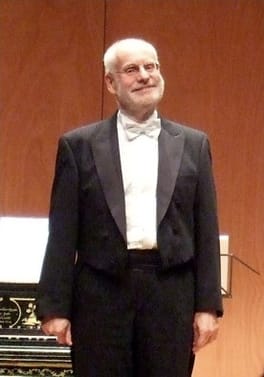
Photo: Paul Ruet / CC BY-SA 3.0 (source: Wikimedia Commons)
Ton Koopman is a conductor, choir director and organist, born on October 2, 1944 in Zwolle, Overijssel, Netherlands. Ton Koopman is 81 years old as of 2026. Listed accolades include Akademiepenning (2004), Royal Academy of Music Bach Prize (2014), Bach Medal (2006) and 1 more.
My Take
Ton Koopman is one of those figures I deeply admire for shaping how we hear early music today. Born in Zwolle in 1944, he founded the Amsterdam Baroque Orchestra & Choir and built a reputation as a conductor, organist, harpsichordist, and musicologist all at once. What impresses me most is his commitment to historically informed performance, the painstaking work of recording the complete Bach cantatas. The Bach Medal and the Royal Academy of Music Bach Prize feel entirely earned. As a professor at The Hague and Leiden, he's also poured himself into teaching. To me he embodies scholarship and artistry refusing to be separated.
This take was written by generative AI, one per person, from publicly reported facts (editorial policy). It is a reading of the record, not reporting.
1. Profile
- Name (English)
- Ton Koopman
- Name (Japanese)
- トン・コープマン
- Reading
- とん・こーぷまん
- Born
- October 2, 1944 (age 81)
- Origin
- Zwolle, Overijssel, Netherlands
- Occupation
- conductor / choir director / organist / harpsichordist / pianist
- Zodiac / Chinese zodiac
- Libra / Monkey
2. Background
Awards & achievements
- 2004 Akademiepenning
- 2014 Royal Academy of Music Bach Prize
- 2006 Bach Medal
- 2003 Knight of the Order of the Netherlands Lion
3. Links
- Official sitehttp://www.tonkoopman.nl/text/tonkoopman/?lan=2
- Wikipedia (English)https://en.wikipedia.org/wiki/Ton%20Koopman
- Wikipedia (Japanese)https://ja.wikipedia.org/wiki/%E3%83%88%E3%83%B3%E3%83%BB%E3%82%B3%E3%83%BC%E3%83%97%E3%83%9E%E3%83%B3
- Wikidatahttps://www.wikidata.org/wiki/Q445121
4. About this entry
Tags
- Last updated
Facts are limited to publicly available information up to 2024; non-public or unconfirmed items are omitted. English text is machine-assisted (facts translated by Sonnet, "My Take" written by Opus 4.8). The Japanese page is the source of record.
Frequently asked questions
When was Ton Koopman born?
Born October 2, 1944 (age 81).
Where is Ton Koopman from?
Ton Koopman is from Zwolle, Overijssel, Netherlands.
What does Ton Koopman do?
Ton Koopman works as conductor, choir director, organist, harpsichordist, pianist.