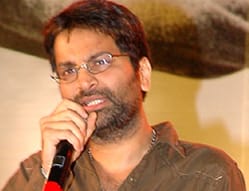
Photo: Ironcclaw / CC BY 3.0 (source: Wikimedia Commons)
Trivikram Srinivas is a writer, screenwriter and film director, born on July 30, 1974 in Bhimavaram, West Godavari district, India. Trivikram Srinivas is 52 years old as of 2026. Schooling on record includes Andhra University. Listed accolades include Filmfare Awards South.
My Take
Trivikram Srinivas is, to me, the thinking person's filmmaker of Telugu cinema. What I genuinely admire is his command of language, the witty dialogue, the humour laced with philosophy, the six Nandi Awards for Best Dialogue. It is rare to find a writer who can make a mass audience laugh and reflect in the same breath. That he ranks among India's highest paid directors confirms that intelligence and popularity need not be enemies. An Andhra University graduate working in mainstream entertainment, he keeps the craft of words at the centre. I would happily watch his work with subtitles, unhurried.
This take was written by generative AI, one per person, from publicly reported facts (editorial policy). It is a reading of the record, not reporting.
1. Profile
- Name (English)
- Trivikram Srinivas
- Name (Japanese)
- トリヴィクラム・スリニヴァス
- Reading
- とりゔぃくらむ・すりにゔぁす
- Born
- July 30, 1974 (age 52)
- Origin
- Bhimavaram, West Godavari district, India
- Occupation
- writer / screenwriter / film director / lyricist / songwriter
- Zodiac / Chinese zodiac
- Leo / Tiger
2. Background
- University
- Andhra University
Awards & achievements
- Filmfare Awards South
3. Links
- Official sitehttp://trivikramcelluloid.in/
- Wikipedia (English)https://en.wikipedia.org/wiki/Trivikram%20Srinivas
- Wikidatahttps://www.wikidata.org/wiki/Q7844679
4. About this entry
Tags
- Last updated
Facts are limited to publicly available information up to 2024; non-public or unconfirmed items are omitted. English text is machine-assisted (facts translated by Sonnet, "My Take" written by Opus 4.8). The Japanese page is the source of record.
Frequently asked questions
When was Trivikram Srinivas born?
Trivikram Srinivas was born on July 30, 1974 and is 52 years old.
Where is Trivikram Srinivas from?
Trivikram Srinivas is from Bhimavaram, West Godavari district, India.
What does Trivikram Srinivas do?
Trivikram Srinivas works as writer, screenwriter, film director, lyricist, songwriter.
Where did Trivikram Srinivas study?
Trivikram Srinivas attended Andhra University.
Writer — see all → · Screenwriter — see all → · More people from India → · More people born on July 30 →