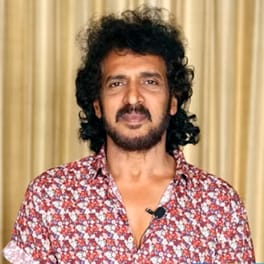
Photo: Upendra on Youtube / CC BY 3.0 (source: Wikimedia Commons)
Born on September 18, 1968 in Kundapura, Udupi district, India, Upendra is a film director, actor and screenwriter. Upendra is 58 years old as of 2026. Recorded honors include Filmfare Awards South.
My Take
Upendra fascinates me because he refuses to stay in one lane. Actor, director, screenwriter, lyricist, playback singer, even politician, he is the kind of relentless multi-hyphenate I instinctively root for. In Kannada cinema he is known less as a safe entertainer than as a provocateur, and his Filmfare South recognition tells me the industry takes his ambition seriously. Coming from small-town Kundapura and crossing into Telugu and Tamil work, he embodies both rootedness and reach. Indian cinema brims with spectacle, but creators who bend the form rather than just decorate it are rarer, and that is exactly where I think Upendra lives.
This take was written by generative AI, one per person, from publicly reported facts (editorial policy). It is a reading of the record, not reporting.
1. Profile
- Name (English)
- Upendra
- Name (Japanese)
- ウペンドラ
- Reading
- うぺんどら
- Born
- September 18, 1968 (age 58)
- Origin
- Kundapura, Udupi district, India
- Occupation
- film director / actor / screenwriter / lyricist
- Zodiac / Chinese zodiac
- Virgo / Monkey
2. Background
Awards & achievements
- Filmfare Awards South
3. Links
4. About this entry
Tags
- Last updated
Facts are limited to publicly available information up to 2024; non-public or unconfirmed items are omitted. English text is machine-assisted (facts translated by Sonnet, "My Take" written by Opus 4.8). The Japanese page is the source of record.
Frequently asked questions
When was Upendra born?
Born September 18, 1968 (age 58).
Where is Upendra from?
Upendra is from Kundapura, Udupi district, India.
What does Upendra do?
Upendra works as film director, actor, screenwriter, lyricist.
Film director — see all → · Actor — see all → · More people from India →