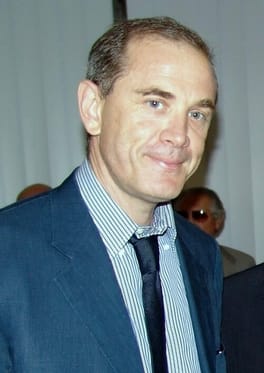
Photo: Lorenzo D'Alessandro / CC BY-SA 4.0 (source: Wikimedia Commons)
Urbano Barberini was born in Rome, Province of Rome, Italy on September 18, 1961. Public records list Urbano Barberini as a film actor, stage actor and aristocrat. That works out to 65 years old in 2026.
My Take
Urbano Barberini is one of those figures I find irresistibly contradictory. He is an actual Roman aristocrat, of the Barberini line, yet he made his name fronting cult horror like Demons rather than coasting on pedigree. That refusal to hide behind nobility appeals to me enormously. Add translator, theater producer, artistic director, and fluency in Italian and French, and you have a genuine polymath who took genre cinema seriously. I admire performers who marry old-world cultivation with unpretentious craft. Barberini does exactly that, and the result is a career with far more texture than his blue blood alone would suggest.
This take was written by generative AI, one per person, from publicly reported facts (editorial policy). It is a reading of the record, not reporting.
1. Profile
- Name (English)
- Urbano Barberini
- Name (Japanese)
- ウルバノ・バルベリーニ
- Reading
- うるばの・ばるべりーに
- Born
- September 18, 1961 (age 65)
- Origin
- Rome, Province of Rome, Italy
- Occupation
- film actor / stage actor / actor / aristocrat
- Zodiac / Chinese zodiac
- Virgo / Ox
2. Links
3. About this entry
Tags
- Last updated
Facts are limited to publicly available information up to 2024; non-public or unconfirmed items are omitted. English text is machine-assisted (facts translated by Sonnet, "My Take" written by Opus 4.8). The Japanese page is the source of record.
Frequently asked questions
When was Urbano Barberini born?
Born September 18, 1961 (age 65).
Where is Urbano Barberini from?
Urbano Barberini is from Rome, Province of Rome, Italy.
What does Urbano Barberini do?
Urbano Barberini works as film actor, stage actor, actor, aristocrat.
Film actor — see all → · Stage actor — see all → · More people from Italy →