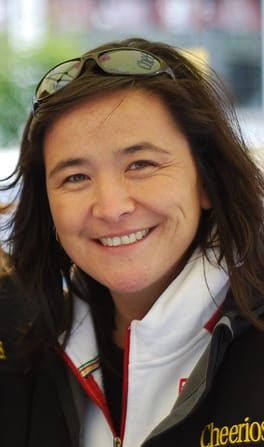
Photo: Damien D. from Toronto, Canada / CC BY-SA 2.0 (source: Wikimedia Commons)
Vicky Sunohara, born on May 18, 1970 in Scarborough, Ontario, Canada, is an ice hockey player and ice hockey coach. That puts Vicky Sunohara at 56 years old in 2026. Education on record includes Northeastern University.
My Take
Vicky Sunohara is the kind of athlete who built a sport rather than just played it. Three Olympic medals and a nickname like the Wayne Gretzky of women's hockey tell you the talent, but the trailblazer part is what stays with me. As a Japanese-Canadian woman in the early days of the women's game, she expanded the very idea of who belongs on the ice. I admire that she pivoted into coaching, handing the torch to the next generation at the university level. For me, legacy in sport is measured less by goals than by the doors you leave open, and Sunohara left plenty.
This take was written by generative AI, one per person, from publicly reported facts (editorial policy). It is a reading of the record, not reporting.
1. Profile
- Name (English)
- Vicky Sunohara
- Name (Japanese)
- ヴィッキー・スノハラ
- Reading
- ゔぃっきー・すのはら
- Born
- May 18, 1970 (age 56)
- Origin
- Scarborough, Ontario, Canada
- Occupation
- ice hockey player / ice hockey coach
- Zodiac / Chinese zodiac
- Taurus / Dog
2. Background
- University
- Northeastern University
3. Links
4. About this entry
Tags
- Last updated
Facts are limited to publicly available information up to 2024; non-public or unconfirmed items are omitted. English text is machine-assisted (facts translated by Sonnet, "My Take" written by Opus 4.8). The Japanese page is the source of record.
Frequently asked questions
When was Vicky Sunohara born?
Born May 18, 1970 (age 56).
Where is Vicky Sunohara from?
Vicky Sunohara is from Scarborough, Ontario, Canada.
What does Vicky Sunohara do?
Vicky Sunohara works as ice hockey player, ice hockey coach.
Ice hockey player — see all → · Ice hockey coach — see all → · More people from Canada →