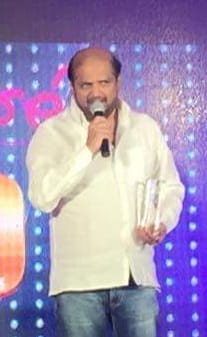
Photo: Prajeesh Raj / CC BY-SA 4.0 (source: Wikimedia Commons)
Vidyasagar was born on March 2, 1963 in Vizianagaram, Vizianagaram district, India. Public records list Vidyasagar as an actor, composer and music director. The age as of 2026 is 63. Listed accolades include Filmfare Awards South and National Film Award for Best Music Direction.
My Take
Vidyasagar deserves far more global recognition than he gets. Nicknamed the Melody King, he's composed across Tamil, Malayalam, and Telugu cinema, gliding between languages and traditions with rare ease. To me, the most demanding job in film is writing melodies that actually move people, because there's nowhere to hide a weak tune. His Filmfare and National Film Award wins confirm the industry's deep trust in him. What I admire is the quiet consistency of a craftsman who let the music speak rather than chasing celebrity. Anyone curious about South Indian film scores should spend an evening with his work.
This take was written by generative AI, one per person, from publicly reported facts (editorial policy). It is a reading of the record, not reporting.
1. Profile
- Name (English)
- Vidyasagar
- Name (Japanese)
- ヴィディヤサーガル
- Reading
- ゔぃでぃやさーがる
- Born
- March 2, 1963 (age 63)
- Origin
- Vizianagaram, Vizianagaram district, India
- Occupation
- actor / composer / music director
- Zodiac / Chinese zodiac
- Pisces / Rabbit
2. Background
Awards & achievements
- Filmfare Awards South
- National Film Award for Best Music Direction
3. Links
- Official sitehttp://www.vidyasagarmusic.com
- Wikipedia (English)https://en.wikipedia.org/wiki/Vidyasagar%20(composer)
- Wikidatahttps://www.wikidata.org/wiki/Q3595530
4. About this entry
Tags
- Last updated
Facts are limited to publicly available information up to 2024; non-public or unconfirmed items are omitted. English text is machine-assisted (facts translated by Sonnet, "My Take" written by Opus 4.8). The Japanese page is the source of record.
Frequently asked questions
When was Vidyasagar born?
Vidyasagar was born on March 2, 1963 and is 63 years old.
Where is Vidyasagar from?
Vidyasagar is from Vizianagaram, Vizianagaram district, India.
What does Vidyasagar do?
Vidyasagar works as actor, composer, music director.
Actor — see all → · Composer — see all → · More people from India → · More people born on March 2 →