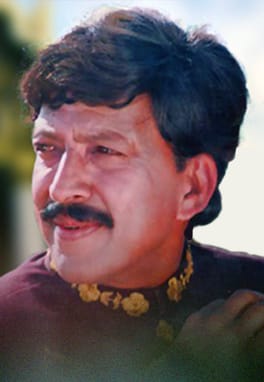
Photo: Jhankar Music / CC BY 3.0 (source: Wikimedia Commons)
Born on September 18, 1950, Vishnuvardhan was from Mysore, Karnataka, India. Vishnuvardhan was a singer, television actor and film actor. Death is recorded on December 30, 2009, at the age of 59. Schooling on record includes National College, Bengaluru. Awards on record include Filmfare Awards South.
My Take
Vishnuvardhan is the kind of regional giant the world outside India rarely registers, and that strikes me as a real loss. More than 220 films across four decades, spanning Kannada, Tamil, Telugu, Hindi and Malayalam, plus singing on top, that is not a career, it is an institution. He carried Kannada cinema in a way few stars carry any industry. His death in 2009 clearly left a hole that endures. I find myself drawn to performers whose greatness is measured not by global fame but by how deeply they shaped a particular people's cultural life. He earned that devotion.
This take was written by generative AI, one per person, from publicly reported facts (editorial policy). It is a reading of the record, not reporting.
1. Profile
- Name (English)
- Vishnuvardhan
- Name (Japanese)
- ヴィシュヌヴァルダン
- Reading
- ゔぃしゅぬゔぁるだん
- Born
- September 18, 1950 – December 30, 2009
- Origin
- Mysore, Karnataka, India
- Occupation
- actor / singer / television actor / film actor
- Zodiac / Chinese zodiac
- Virgo / Tiger
2. Background
- University
- National College, Bengaluru
Awards & achievements
- Filmfare Awards South
3. Links
- Official sitehttp://www.vishnuvardhan.com
- Wikipedia (English)https://en.wikipedia.org/wiki/Vishnuvardhan%20(actor)
- Wikipedia (Japanese)https://ja.wikipedia.org/wiki/%E3%83%B4%E3%82%A3%E3%82%B7%E3%83%A5%E3%83%8C%E3%83%B4%E3%82%A1%E3%83%AB%E3%83%80%E3%83%B3
- Wikidatahttps://www.wikidata.org/wiki/Q2097394
4. About this entry
Tags
- Last updated
Facts are limited to publicly available information up to 2024; non-public or unconfirmed items are omitted. English text is machine-assisted (facts translated by Sonnet, "My Take" written by Opus 4.8). The Japanese page is the source of record.
Frequently asked questions
When was Vishnuvardhan born?
Born September 18, 1950.
When did Vishnuvardhan die?
Died December 30, 2009, aged 59.
Where was Vishnuvardhan from?
Vishnuvardhan was from Mysore, Karnataka, India.
What did Vishnuvardhan do?
Vishnuvardhan worked as actor, singer, television actor, film actor.
Actor — see all → · Singer — see all → · More people from India →