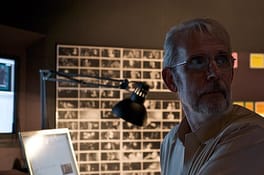
Photo: Beatrice Murch / CC BY 3.0 (source: Wikimedia Commons)
Walter Murch was born on July 12, 1943 in New York City, New York, United States and is credited as a film editor, sound designer and screenwriter. Walter Murch is 83 years old as of 2026. Education on record includes Johns Hopkins University. Awards on record include Academy Award for Best Film Editing (1997) and Academy Award for Best Sound (1980, 1997).
My Take
Walter Murch is, honestly, one of my heroes in this whole database. Editing and mixing sound on Apocalypse Now, The Godfather trilogy, The Conversation, American Graffiti and The English Patient is a resume most artists would kill for, and he made three Academy wins from nine nominations look almost inevitable. What fascinates me is that he works in the invisible crafts; editing and sound design shape how we feel a film without us ever noticing the hand behind it. He's a thinker as much as a technician, and I genuinely believe his fingerprints are on the modern grammar of cinema itself. Quietly monumental.
This take was written by generative AI, one per person, from publicly reported facts (editorial policy). It is a reading of the record, not reporting.
1. Profile
- Name (English)
- Walter Murch
- Name (Japanese)
- ウォルター・マーチ
- Reading
- うぉるたー・まーち
- Born
- July 12, 1943 (age 83)
- Origin
- New York City, New York, United States
- Occupation
- film editor / sound designer / screenwriter / film director / director
- Zodiac / Chinese zodiac
- Cancer / Goat
2. Background
- University
- Johns Hopkins University
Awards & achievements
- 1997 Academy Award for Best Film Editing
- 1980 Academy Award for Best Sound
- 1997 Academy Award for Best Sound
3. Links
4. About this entry
Tags
- Last updated
Facts are limited to publicly available information up to 2024; non-public or unconfirmed items are omitted. English text is machine-assisted (facts translated by Sonnet, "My Take" written by Opus 4.8). The Japanese page is the source of record.
Frequently asked questions
When was Walter Murch born?
Born July 12, 1943 (age 83).
Where is Walter Murch from?
Walter Murch is from New York City, New York, United States.
What does Walter Murch do?
Walter Murch works as film editor, sound designer, screenwriter, film director, director.
Film editor — see all → · More people from the United States →