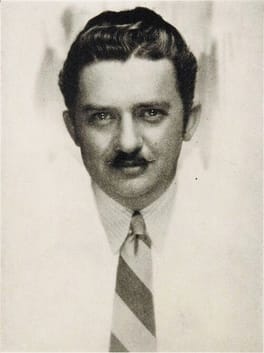
Photo: Universal Studios / Public domain (source: Wikimedia Commons)
Jean Hersholt was born on July 12, 1886 in Copenhagen, Denmark. Jean Hersholt was credited as a film actor, linguist and translator. Death is recorded on June 2, 1956, at the age of 69. Listed accolades include Knight of the Order of the Dannebrog (1946), Ingenio et arti (1955), star on Hollywood Walk of Fame (1960) and 1 more.
My Take
There is something deeply appealing about a man whose name now adorns Hollywood's most gracious honor. Jean Hersholt left Copenhagen, crossed an ocean, and built a screen career capped by sharing the frame with Shirley Temple in Heidi. But what wins me over is the texture beneath the actor: he was also a linguist and translator, a man who loved language itself, not just lines. The Academy named its humanitarian award after him for good reason. I take that as the truest measure of a life: not the roles played, but the kindness that outlived him. Quietly, he became a standard.
This take was written by generative AI, one per person, from publicly reported facts (editorial policy). It is a reading of the record, not reporting.
1. Profile
- Name (English)
- Jean Hersholt
- Name (Japanese)
- ジーン・ハーショルト
- Reading
- じーん・はーしょると
- Born
- July 12, 1886 – June 2, 1956
- Origin
- Copenhagen, Denmark
- Occupation
- film actor / actor / linguist / translator / film director
- Zodiac / Chinese zodiac
- Cancer / Dog
2. Background
Awards & achievements
- 1946 Knight of the Order of the Dannebrog
- 1955 Ingenio et arti
- 1960 star on Hollywood Walk of Fame
- Academy Honorary Award
3. Links
4. About this entry
Tags
- Last updated
Facts are limited to publicly available information up to 2024; non-public or unconfirmed items are omitted. English text is machine-assisted (facts translated by Sonnet, "My Take" written by Opus 4.8). The Japanese page is the source of record.
Frequently asked questions
When was Jean Hersholt born?
Born July 12, 1886.
When did Jean Hersholt die?
Died June 2, 1956, aged 69.
Where was Jean Hersholt from?
Jean Hersholt was from Copenhagen, Denmark.
What did Jean Hersholt do?
Jean Hersholt worked as film actor, actor, linguist, translator, film director.
Film actor — see all → · Actor — see all → · More people from Denmark →