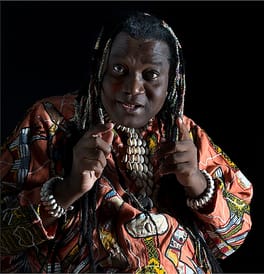
Photo: Bernard Delhalle / CC BY-SA 4.0 (source: Wikimedia Commons)
Born on January 15, 1964, Wes was from Mouataba, Littoral, Cameroon. Public records list Wes as a singer and musician. Death is recorded on June 25, 2021, at the age of 57.
My Take
Wes Madiko is one of those artists whose music transcends the need for translation. His 1997 hit 'Alane' swept across the world on melody and feeling alone, and that, to me, is the rarest kind of pop magic. Born in Cameroon's Littoral region, he became a genuine bridge between African roots and Western production, whether collaborating with Deep Forest or covering 'Upendi' from The Lion King II. His passing in 2021 at just 57 felt like a real loss. I admire artists who dissolve borders and languages, and Wes left behind songs that still deserve to be heard and passed on.
This take was written by generative AI, one per person, from publicly reported facts (editorial policy). It is a reading of the record, not reporting.
1. Profile
- Name (English)
- Wes
- Name (Japanese)
- ウエス・マディコ
- Reading
- うえす・までぃこ
- Born
- January 15, 1964 – June 25, 2021
- Origin
- Mouataba, Littoral, Cameroon
- Occupation
- singer / musician
- Zodiac / Chinese zodiac
- Capricorn / Dragon
2. Links
3. About this entry
Tags
- Last updated
Facts are limited to publicly available information up to 2024; non-public or unconfirmed items are omitted. English text is machine-assisted (facts translated by Sonnet, "My Take" written by Opus 4.8). The Japanese page is the source of record.
Frequently asked questions
When was Wes born?
Born January 15, 1964.
When did Wes die?
Died June 25, 2021, aged 57.
Where was Wes from?
Wes was from Mouataba, Littoral, Cameroon.
What did Wes do?
Wes worked as singer, musician.
Singer — see all → · Musician — see all → · More people from Cameroon →