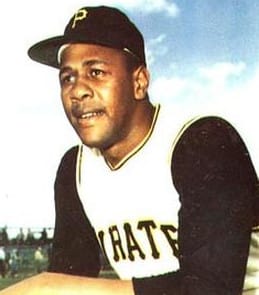
Photo: Unknown author / Public domain (source: Wikimedia Commons)
Willie Stargell was listed as a baseball player. Born on March 6, 1940, Willie Stargell was from Earlsboro, Oklahoma, United States. Death is recorded on April 9, 2001, at the age of 61. Education on record includes Encinal High School. Recorded honors include Lou Gehrig Memorial Award (1974), Sports Illustrated Sportsperson of the Year (1979), Horatio Alger Award and 2 more.
My Take
Stargell is one of those players whose greatness lives as much in the clubhouse as on the field. Leading the entire 1970s in home runs while spending all 21 seasons with a single franchise is a kind of loyalty the modern game rarely sees, and the nickname "Pops" tells me everything about the man he was. What strikes me most is that he won the Lou Gehrig and Horatio Alger awards too, honors about character rather than power. I admire athletes who carry a team emotionally, and Stargell clearly did. His legacy feels warm and durable to me, the mark of a true elder of the game.
This take was written by generative AI, one per person, from publicly reported facts (editorial policy). It is a reading of the record, not reporting.
1. Profile
- Name (English)
- Willie Stargell
- Name (Japanese)
- ウィリー・スタージェル
- Reading
- うぃりー・すたーじぇる
- Born
- March 6, 1940 – April 9, 2001
- Origin
- Earlsboro, Oklahoma, United States
- Occupation
- baseball player
- Zodiac / Chinese zodiac
- Pisces / Dragon
2. Background
- High school
- Encinal High School
Awards & achievements
- 1974 Lou Gehrig Memorial Award
- 1979 Sports Illustrated Sportsperson of the Year
- Horatio Alger Award
- 1979 Associated Press Athlete of the Year
- 1979 Major League Baseball Most Valuable Player Award
3. Links
4. About this entry
Tags
- Last updated
Facts are limited to publicly available information up to 2024; non-public or unconfirmed items are omitted. English text is machine-assisted (facts translated by Sonnet, "My Take" written by Opus 4.8). The Japanese page is the source of record.
Frequently asked questions
When was Willie Stargell born?
Willie Stargell was born on March 6, 1940.
When did Willie Stargell die?
Willie Stargell died on April 9, 2001, aged 61.
Where was Willie Stargell from?
Willie Stargell was from Earlsboro, Oklahoma, United States.
What did Willie Stargell do?
Willie Stargell worked as baseball player.
Which high school did Willie Stargell attend?
Willie Stargell attended Encinal High School.
Baseball player — see all → · More people from the United States → · More people born on March 6 →