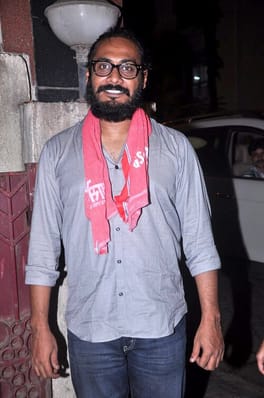
Photo: Bollywood Hungama / CC BY 3.0 (source: Wikimedia Commons)
Abhinav Kashyap was born in Obra, Uttar Pradesh, Sonbhadra district, India on September 6, 1974. Public records list Abhinav Kashyap as a film director and screenwriter. That works out to 52 years old in 2026. Schooling on record includes University of Delhi.
My Take
Abhinav Kashyap fascinates me as a builder of stories rather than a face on the poster. Directing and co-writing Dabangg meant engineering one of Bollywood's loudest crowd-pleasers, and that kind of mass spectacle quietly demands real structural craft. Coming out of small-town Uttar Pradesh and through the University of Delhi, he carries the discipline of a writer first. Even his self-deprecating online handle hints at a man who doesn't take himself too seriously. I find myself rooting for the unglamorous architects of cinema, the ones who make the noise work, and I'd happily watch whatever he chooses to direct next.
This take was written by generative AI, one per person, from publicly reported facts (editorial policy). It is a reading of the record, not reporting.
1. Profile
- Name (English)
- Abhinav Kashyap
- Name (Japanese)
- アビナウ・カシャップ
- Reading
- あびなう・かしゃっぷ
- Born
- September 6, 1974 (age 52)
- Origin
- Obra, Uttar Pradesh, Sonbhadra district, India
- Occupation
- film director / screenwriter
- Zodiac / Chinese zodiac
- Virgo / Tiger
2. Background
- University
- University of Delhi
3. Links
- Instagramhttps://www.instagram.com/oldmanaby/
- Xhttps://x.com/onlykashyap
- Wikipedia (English)https://en.wikipedia.org/wiki/Abhinav%20Kashyap
- Wikidatahttps://www.wikidata.org/wiki/Q4667435
4. About this entry
Tags
- Last updated
Facts are limited to publicly available information up to 2024; non-public or unconfirmed items are omitted. English text is machine-assisted (facts translated by Sonnet, "My Take" written by Opus 4.8). The Japanese page is the source of record.
Frequently asked questions
When was Abhinav Kashyap born?
Born September 6, 1974 (age 52).
Where is Abhinav Kashyap from?
Abhinav Kashyap is from Obra, Uttar Pradesh, Sonbhadra district, India.
What does Abhinav Kashyap do?
Abhinav Kashyap works as film director, screenwriter.
Film director — see all → · Screenwriter — see all → · More people from India →