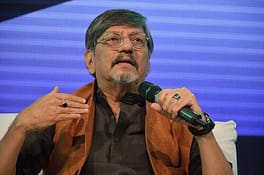
Photo: Biswarup Ganguly / CC BY 3.0 (source: Wikimedia Commons)
Amol Palekar, born on November 24, 1944 in Mumbai, Bombay State, India, is a film actor, film director and film producer. Amol Palekar is 81 years old as of 2026. Education on record includes Soonabai Pestonji Hakimji High School. Listed accolades include Filmfare Award for Best Actor, National Film Award for Best Feature Film in Marathi (1995), National Film Award for Best Film on Family Welfare (2000) and 3 more.
My Take
Amol Palekar is, to me, a genuine renaissance figure of Indian cinema. Born in Mumbai in 1944, he was central to the 'middle cinema' movement, championing stories of ordinary people in films like Chhoti Si Baat and Gol Maal while Bollywood chased spectacle. I deeply admire artists who stay grounded, and his multiple National Film Awards confirm that quiet integrity translated into recognition. That he also paints and writes only deepens my respect; few sustain such breadth across decades. Palekar reminds me that the most lasting art often comes from observing everyday life with patience, warmth, and an unfashionable refusal to shout.
This take was written by generative AI, one per person, from publicly reported facts (editorial policy). It is a reading of the record, not reporting.
1. Profile
- Name (English)
- Amol Palekar
- Name (Japanese)
- アモール・パレカル
- Reading
- あもーる・ぱれかる
- Born
- November 24, 1944 (age 81)
- Origin
- Mumbai, Bombay State, India
- Occupation
- film actor / film director / film producer / screenwriter / television actor
- Zodiac / Chinese zodiac
- Sagittarius / Monkey
2. Background
- High school
- Soonabai Pestonji Hakimji High School
Awards & achievements
- Filmfare Award for Best Actor
- 1995 National Film Award for Best Feature Film in Marathi
- 2000 National Film Award for Best Film on Family Welfare
- 1999 National Film Award for Best Film on Other Social Issues
- 1996 National Film Award – Special Jury Award / Special Mention
- 2006 National Film Award for Best Feature Film in English
3. Links
- Official sitehttps://www.amolpalekar.com/
- Wikipedia (English)https://en.wikipedia.org/wiki/Amol%20Palekar
- Wikipedia (Japanese)https://ja.wikipedia.org/wiki/%E3%82%A2%E3%83%A2%E3%83%BC%E3%83%AB%E3%83%BB%E3%83%91%E3%83%AC%E3%82%AB%E3%83%AB
- Wikidatahttps://www.wikidata.org/wiki/Q2721505
4. About this entry
Tags
- Last updated
Facts are limited to publicly available information up to 2024; non-public or unconfirmed items are omitted. English text is machine-assisted (facts translated by Sonnet, "My Take" written by Opus 4.8). The Japanese page is the source of record.
Frequently asked questions
When was Amol Palekar born?
Born November 24, 1944 (age 81).
Where is Amol Palekar from?
Amol Palekar is from Mumbai, Bombay State, India.
What does Amol Palekar do?
Amol Palekar works as film actor, film director, film producer, screenwriter, television actor.
Film actor — see all → · Film director — see all → · More people from India →