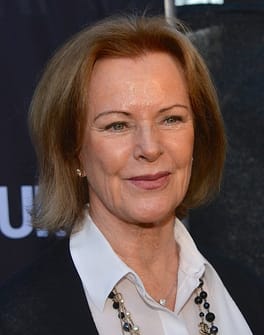
Photo: Frankie Fouganthin / CC BY-SA 4.0 (source: Wikimedia Commons)
Anni-Frid Lyngstad was born in Ballangen Municipality, Nordland, Norway on November 15, 1945. Anni-Frid Lyngstad is a schlager singer, recording artist and pop singer. That works out to 80 years old in 2026. Recorded honors include Commander 1st class of the Order of Vasa (2024).
My Take
To me, Frida is the shadow that gave ABBA its depth. Agnetha's soprano gets the glory, but it is Lyngstad's darker, smokier alto underneath that turns those immaculate pop songs melancholy, the secret ingredient in why ABBA aches as much as it sparkles. Her story amazes me too: born in wartime northern Norway and raised in Sweden, she traveled an improbable road to becoming one of pop's most recognizable voices. The 2024 Order of Vasa honor felt overdue. Whenever I revisit the catalogue, I find myself listening for her lines first; once you hear how much weight she carries, you never unhear it.
This take was written by generative AI, one per person, from publicly reported facts (editorial policy). It is a reading of the record, not reporting.
1. Profile
- Name (English)
- Anni-Frid Lyngstad
- Name (Japanese)
- アンニ=フリッド・リングスタッド
- Reading
- あんに=ふりっど・りんぐすたっど
- Born
- November 15, 1945 (age 80)
- Origin
- Ballangen Municipality, Nordland, Norway
- Occupation
- schlager singer / recording artist / pop singer / disco singer / dansband singer
- Zodiac / Chinese zodiac
- Scorpio / Rooster
2. Background
Awards & achievements
- 2024 Commander 1st class of the Order of Vasa
3. Links
- Wikipedia (English)https://en.wikipedia.org/wiki/Anni-Frid%20Lyngstad
- Wikipedia (Japanese)https://ja.wikipedia.org/wiki/%E3%82%A2%E3%83%B3%E3%83%8B%EF%BC%9D%E3%83%95%E3%83%AA%E3%83%83%E3%83%89%E3%83%BB%E3%83%AA%E3%83%B3%E3%82%B0%E3%82%B9%E3%82%BF%E3%83%83%E3%83%89
- Wikidatahttps://www.wikidata.org/wiki/Q201908
4. About this entry
Tags
- Last updated
Facts are limited to publicly available information up to 2024; non-public or unconfirmed items are omitted. English text is machine-assisted (facts translated by Sonnet, "My Take" written by Opus 4.8). The Japanese page is the source of record.
Frequently asked questions
When was Anni-Frid Lyngstad born?
Born November 15, 1945 (age 80).
Where is Anni-Frid Lyngstad from?
Anni-Frid Lyngstad is from Ballangen Municipality, Nordland, Norway.
What does Anni-Frid Lyngstad do?
Anni-Frid Lyngstad works as schlager singer, recording artist, pop singer, disco singer, dansband singer.