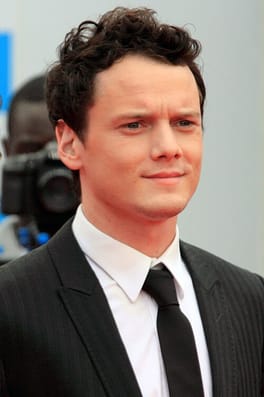
Photo: Philippe Berdalle / CC BY-SA 2.0 (source: Wikimedia Commons)
Anton Yelchin was born on March 11, 1989 in Saint Petersburg, Russia and was credited as a television actor, film actor and voice actor. Death is recorded on June 19, 2016, at the age of 27. Anton Yelchin was educated at University of Southern California. Recorded honors include Boston Society of Film Critics Award for Best Cast (2009), Young Artist Award for Best Leading Young Actor in a Feature Film (2002) and Young Artist Awards (2002).
My Take
Anton Yelchin's death in 2016 still feels like one of cinema's most painful unfinished sentences. Here was an actor who immigrated as an infant, grew up on film sets, and never lost his curiosity — equally convincing as Star Trek's endearing Chekov and in small, thorny independent films. What I admired most was his intelligence: you could sense a genuine artist who photographed, read, and thought deeply, treating acting as one craft among many. At twenty-seven he was just entering the phase where talent becomes mastery. I revisit his performances not with sadness but with gratitude; few actors gave so much honest work in so little time.
This take was written by generative AI, one per person, from publicly reported facts (editorial policy). It is a reading of the record, not reporting.
1. Profile
- Name (English)
- Anton Yelchin
- Name (Japanese)
- アントン・イェルチン
- Reading
- あんとん・いぇるちん
- Born
- March 11, 1989 – June 19, 2016
- Origin
- Saint Petersburg, Russia
- Occupation
- actor / television actor / film actor / voice actor
- Zodiac / Chinese zodiac
- Pisces / Snake
2. Background
- University
- University of Southern California
Awards & achievements
- 2009 Boston Society of Film Critics Award for Best Cast
- 2002 Young Artist Award for Best Leading Young Actor in a Feature Film
- 2002 Young Artist Awards
3. Links
- Official sitehttps://www.antonyelchinofficial.com/
- Instagramhttps://www.instagram.com/antonyelchinphoto/
- Wikipedia (English)https://en.wikipedia.org/wiki/Anton%20Yelchin
- Wikipedia (Japanese)https://ja.wikipedia.org/wiki/%E3%82%A2%E3%83%B3%E3%83%88%E3%83%B3%E3%83%BB%E3%82%A4%E3%82%A7%E3%83%AB%E3%83%81%E3%83%B3
- Wikidatahttps://www.wikidata.org/wiki/Q314133
4. About this entry
Tags
- Last updated
Facts are limited to publicly available information up to 2024; non-public or unconfirmed items are omitted. English text is machine-assisted (facts translated by Sonnet, "My Take" written by Opus 4.8). The Japanese page is the source of record.
Frequently asked questions
When was Anton Yelchin born?
Born March 11, 1989.
When did Anton Yelchin die?
Died June 19, 2016, aged 27.
Where was Anton Yelchin from?
Anton Yelchin was from Saint Petersburg, Russia.
What did Anton Yelchin do?
Anton Yelchin worked as actor, television actor, film actor, voice actor.
Actor — see all → · Television actor — see all → · More people from Russia →