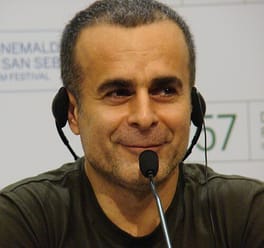
Photo: Neva Micheva / CC BY 2.5 (source: Wikimedia Commons)
Bahman Ghobadi, born on February 1, 1969 in Baneh, Kurdistan Province, Iran, is a film director, screenwriter and film actor. Bahman Ghobadi is 57 years old as of 2026. Schooling on record includes University of Islamic Republic of Iran Broadcasting. Listed accolades include Index Award (2006) and Annual award ACFK (2018).
My Take
Bahman Ghobadi is a filmmaker I hold in genuine reverence. Born in Baneh in Iran's Kurdistan Province, he turned a border existence and a marginalized people into some of the most piercing cinema of Iran's new wave. What moves me is that his work never feels like decoration; it carries the weight of lives lived under hardship and silence. His Index Award and continued public voice tell me he is an artist who refuses to stop bearing witness. I find directors who film from the margins, rather than looking down at them, far more essential than the festival circuit usually admits, and he is exactly that.
This take was written by generative AI, one per person, from publicly reported facts (editorial policy). It is a reading of the record, not reporting.
1. Profile
- Name (English)
- Bahman Ghobadi
- Name (Japanese)
- バフマン・ゴバディ
- Reading
- ばふまん・ごばでぃ
- Born
- February 1, 1969 (age 57)
- Origin
- Baneh, Kurdistan Province, Iran
- Occupation
- film director / actor / screenwriter / film actor / photographer
- Zodiac / Chinese zodiac
- Aquarius / Rooster
2. Background
- University
- University of Islamic Republic of Iran Broadcasting
Awards & achievements
- 2006 Index Award
- 2018 Annual award ACFK
3. Links
- Official sitehttp://www.mijfilm.com/
- Instagramhttps://www.instagram.com/bahman_ghobadi/
- Xhttps://x.com/ArminGhobadi
- Wikipedia (English)https://en.wikipedia.org/wiki/Bahman%20Ghobadi
- Wikipedia (Japanese)https://ja.wikipedia.org/wiki/%E3%83%90%E3%83%95%E3%83%9E%E3%83%B3%E3%83%BB%E3%82%B4%E3%83%90%E3%83%87%E3%82%A3
- Wikidatahttps://www.wikidata.org/wiki/Q31923
4. About this entry
Tags
- Last updated
Facts are limited to publicly available information up to 2024; non-public or unconfirmed items are omitted. English text is machine-assisted (facts translated by Sonnet, "My Take" written by Opus 4.8). The Japanese page is the source of record.
Frequently asked questions
When was Bahman Ghobadi born?
Born February 1, 1969 (age 57).
Where is Bahman Ghobadi from?
Bahman Ghobadi is from Baneh, Kurdistan Province, Iran.
What does Bahman Ghobadi do?
Bahman Ghobadi works as film director, actor, screenwriter, film actor, photographer.
Film director — see all → · Actor — see all → · More people from Iran →