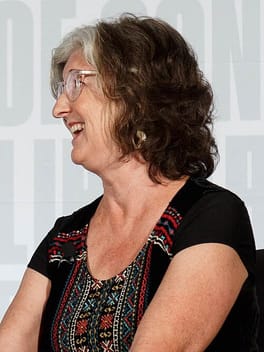
Photo: Library of Congress Life / CC0 (source: Wikimedia Commons)
Barbara Kingsolver is credited as a novelist, poet and essayist. Born on April 8, 1955, Barbara Kingsolver is from Annapolis, Maryland, United States. That works out to 71 years old in 2026. Education on record includes University of Arizona. Recorded honors include National Humanities Medal (2000), Women's Prize for Fiction (2010, 2023) and Pulitzer Prize for Fiction (2023).
My Take
Barbara Kingsolver is a writer I trust completely, and that is rare for me. From The Poisonwood Bible's haunting portrait of a missionary family in the Congo to her year-of-eating-locally memoir, she keeps proving how wide her range is without ever losing her moral compass. Her 2023 Pulitzer for Demon Copperhead simply confirmed what longtime readers already knew. What I admire most is how she roots big social questions in soil, place, and ordinary domestic life, so the politics never feels preachy. Whenever she publishes something new, I am the reader sprinting to the bookshop, and I make no apology for it.
This take was written by generative AI, one per person, from publicly reported facts (editorial policy). It is a reading of the record, not reporting.
1. Profile
- Name (English)
- Barbara Kingsolver
- Name (Japanese)
- バーバラ・キングソルヴァー
- Reading
- ばーばら・きんぐそるゔぁー
- Born
- April 8, 1955 (age 71)
- Origin
- Annapolis, Maryland, United States
- Occupation
- novelist / poet / essayist / writer
- Zodiac / Chinese zodiac
- Aries / Goat
2. Background
- University
- University of Arizona
Awards & achievements
- 2000 National Humanities Medal
- 2023 Women's Prize for Fiction
- 2010 Women's Prize for Fiction
- 2023 Pulitzer Prize for Fiction
3. Works & records
Filmography / notable works
| Category | Title |
|---|---|
| Notable work | The Poisonwood Bible |
| Notable work | Animal, Vegetable, Miracle |
4. Links
- Official sitehttp://kingsolver.com/
- Instagramhttps://www.instagram.com/barbara.kingsolver/
- Xhttps://x.com/b_kingsolver
- Wikipedia (English)https://en.wikipedia.org/wiki/Barbara%20Kingsolver
- Wikipedia (Japanese)https://ja.wikipedia.org/wiki/%E3%83%90%E3%83%BC%E3%83%90%E3%83%A9%E3%83%BB%E3%82%AD%E3%83%B3%E3%82%B0%E3%82%BD%E3%83%AB%E3%83%B4%E3%82%A1%E3%83%BC
- Wikidatahttps://www.wikidata.org/wiki/Q1264643
5. About this entry
Tags
- Last updated
Facts are limited to publicly available information up to 2024; non-public or unconfirmed items are omitted. English text is machine-assisted (facts translated by Sonnet, "My Take" written by Opus 4.8). The Japanese page is the source of record.
Frequently asked questions
When was Barbara Kingsolver born?
Born April 8, 1955 (age 71).
Where is Barbara Kingsolver from?
Barbara Kingsolver is from Annapolis, Maryland, United States.
What does Barbara Kingsolver do?
Barbara Kingsolver works as novelist, poet, essayist, writer.
What is Barbara Kingsolver known for?
Notable works include The Poisonwood Bible, Animal, Vegetable, Miracle.
Novelist — see all → · Poet — see all → · More people from the United States →