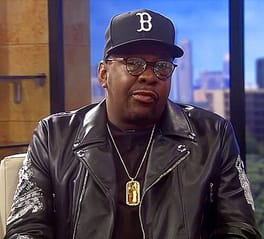
Photo: Sister Circle Live / CC BY 3.0 (source: Wikimedia Commons)
Bobby Brown is a singer, actor and singer-songwriter. Bobby Brown was born in Boston, Massachusetts, United States on February 5, 1969. The age as of 2026 is 57.
My Take
Bobby Brown's legacy is complicated, and that is exactly why I find him compelling. As a pioneer of new jack swing alongside Teddy Riley, he fused hip-hop swagger with R&B melody and changed the sound of late-eighties pop; you can hear his fingerprints on decades of music that followed. Yes, the tabloid years often overshadow the artistry, but I refuse to let them erase it. The Boston kid who co-founded New Edition as a child had genuine, original instincts as a singer, dancer, and rapper. His story reads like a cautionary tale and a triumph at once — and honest music history needs room for both.
This take was written by generative AI, one per person, from publicly reported facts (editorial policy). It is a reading of the record, not reporting.
1. Profile
- Name (English)
- Bobby Brown
- Name (Japanese)
- ボビー・ブラウン
- Reading
- ぼびー・ぶらうん
- Born
- February 5, 1969 (age 57)
- Origin
- Boston, Massachusetts, United States
- Occupation
- singer / actor / singer-songwriter / dancer / rapper
- Zodiac / Chinese zodiac
- Aquarius / Rooster
2. Links
- Official sitehttp://www.bobbybrownonline.com/
- Instagramhttps://www.instagram.com/kingbobbybrown/
- Xhttps://x.com/KingBobbyBrown
- Wikipedia (English)https://en.wikipedia.org/wiki/Bobby%20Brown
- Wikipedia (Japanese)https://ja.wikipedia.org/wiki/%E3%83%9C%E3%83%93%E3%83%BC%E3%83%BB%E3%83%96%E3%83%A9%E3%82%A6%E3%83%B3
- Wikidatahttps://www.wikidata.org/wiki/Q311241
3. About this entry
Tags
- Last updated
Facts are limited to publicly available information up to 2024; non-public or unconfirmed items are omitted. English text is machine-assisted (facts translated by Sonnet, "My Take" written by Opus 4.8). The Japanese page is the source of record.
Frequently asked questions
When was Bobby Brown born?
Born February 5, 1969 (age 57).
Where is Bobby Brown from?
Bobby Brown is from Boston, Massachusetts, United States.
What does Bobby Brown do?
Bobby Brown works as singer, actor, singer-songwriter, dancer, rapper.
Singer — see all → · Actor — see all → · More people from the United States →