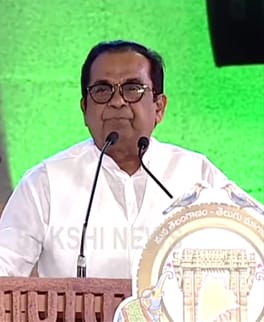
Photo: Sakshi Tv / CC BY 3.0 (source: Wikimedia Commons)
Brahmanandam is a comedian and actor. Brahmanandam was born on February 1, 1956 in Sattenapalli, Guntur district, India. The age as of 2026 is 70. Recorded honors include Nandi Award, Filmfare Awards South and Padma Shri in arts.
My Take
A thousand-plus films is not a filmography; it is an institution. What fascinates me about Brahmanandam is that Telugu cinema essentially wrote him into its grammar—for decades, a comedy track barely felt complete without his face in it. That kind of ubiquity usually breeds audience fatigue, yet he kept finding fresh angles within formula, which I consider the hardest job in acting. Comedians rarely get the respect dramatic actors enjoy, so the Padma Shri and the Guinness record feel like overdue paperwork for a man who carried an entire industry's laughter on his shoulders. I rank him among the great screen comedians anywhere, full stop.
This take was written by generative AI, one per person, from publicly reported facts (editorial policy). It is a reading of the record, not reporting.
1. Profile
- Name (English)
- Brahmanandam
- Name (Japanese)
- ブラフマーナンダム
- Reading
- ぶらふまーなんだむ
- Born
- February 1, 1956 (age 70)
- Origin
- Sattenapalli, Guntur district, India
- Occupation
- comedian / actor
- Zodiac / Chinese zodiac
- Aquarius / Monkey
2. Background
Awards & achievements
- Nandi Award
- Filmfare Awards South
- Padma Shri in arts
3. Links
4. About this entry
Tags
- Last updated
Facts are limited to publicly available information up to 2024; non-public or unconfirmed items are omitted. English text is machine-assisted (facts translated by Sonnet, "My Take" written by Opus 4.8). The Japanese page is the source of record.
Frequently asked questions
When was Brahmanandam born?
Born February 1, 1956 (age 70).
Where is Brahmanandam from?
Brahmanandam is from Sattenapalli, Guntur district, India.
What does Brahmanandam do?
Brahmanandam works as comedian, actor.
Comedian — see all → · Actor — see all → · More people from India →