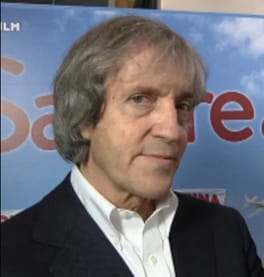
Photo: NRCN / CC BY 3.0 (source: Wikimedia Commons)
Carlo Vanzina was listed as a film director, screenwriter and film producer. Carlo Vanzina was born in Rome, Province of Rome, Italy on March 13, 1951. Death is recorded on July 8, 2018, at the age of 67.
My Take
Carlo Vanzina is the kind of filmmaker I find quietly admirable: born into a Roman cinema dynasty, he spent his career grinding out commercial comedies rather than chasing prestige, often shooting with English-speaking casts so the films could travel to American home video. There is no shame in being a working craftsman, and I respect how he carried the family trade forward alongside his brother Enrico, in the long shadow of their father Stefano. He passed in 2018, but a 502-title-style work ethic for popular entertainment deserves recognition. Not every great career needs a golden statue to matter.
This take was written by generative AI, one per person, from publicly reported facts (editorial policy). It is a reading of the record, not reporting.
1. Profile
- Name (English)
- Carlo Vanzina
- Name (Japanese)
- カルロ・ヴァンツィーナ
- Reading
- かるろ・ゔぁんつぃーな
- Born
- March 13, 1951 – July 8, 2018
- Origin
- Rome, Province of Rome, Italy
- Occupation
- film director / screenwriter / film producer
- Zodiac / Chinese zodiac
- Pisces / Rabbit
2. Links
3. About this entry
Tags
- Last updated
Facts are limited to publicly available information up to 2024; non-public or unconfirmed items are omitted. English text is machine-assisted (facts translated by Sonnet, "My Take" written by Opus 4.8). The Japanese page is the source of record.
Frequently asked questions
When was Carlo Vanzina born?
Born March 13, 1951.
When did Carlo Vanzina die?
Died July 8, 2018, aged 67.
Where was Carlo Vanzina from?
Carlo Vanzina was from Rome, Province of Rome, Italy.
What did Carlo Vanzina do?
Carlo Vanzina worked as film director, screenwriter, film producer.
Film director — see all → · Screenwriter — see all → · More people from Italy →