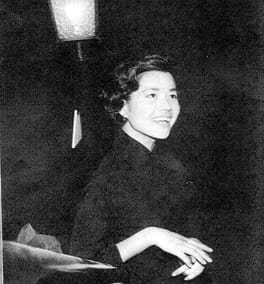
Photo: キネマ旬報 撮影者不明 / Public domain (source: Wikimedia Commons)
My Take
Chisako Hara is exactly the kind of actress that keeps a film industry honest — not the marquee name on the poster, but the one you feel the moment she walks into frame. Born in Kochi in 1936, she cut her teeth at Shintoho studios in the mid-1950s, then made her way to Toho where she appeared in Kinuyo Tanaka's Girls of the Night and brushed up against giants like Mikio Naruse. What impresses me most is the sheer range of her career arc: she went from serious postwar drama to becoming a beloved TV presence in the 1970s, and then somehow kept showing up decades later — Dark Water in 2002, Shin Godzilla in 2016. That is not coasting; that is a performer who stayed genuinely useful to storytellers across six generations of Japanese filmmaking. Married for decades to director Akio Jissoji, she was clearly someone who lived inside the craft. A career like hers deserves more than a footnote.
This take was written by generative AI, one per person, from publicly reported facts (editorial policy). It is a reading of the record, not reporting.
Overview
Chisako Hara (January 6, 1936 – January 19, 2020) was a Japanese actress born in Kochi City, Kochi Prefecture. She was active in the Japanese film and entertainment industry. She passed away in January 2020 at the age of 84.
1. Profile
- Name (English)
- Chisako Hara
- Name (Japanese)
- 原知佐子
- Reading
- はら ちさこ
- Born
- January 6, 1936 – January 19, 2020
- Origin
- Kochi City, Kochi Prefecture, Japan
- Occupation
- Actress
- Zodiac / Chinese zodiac
- Capricorn / Rat
- Active years
- 1959 - 2019
2. Relationships
- Spouse
- 実相寺昭雄
3. Works & records
Works summary
- Appearances
- 216 (1956–2021)
- By year
- 1956: 1, 1958: 3, 1959: 2, 1960: 4, 1961: 3, 1962: 2, 1963: 7, 1964: 11, 1965: 8, 1966: 6, 1967: 11, 1968: 7, 1969: 7, 1970: 7, 1971: 3, 1972: 1, 1973: 2, 1974: 4, 1975: 6, 1976: 3, 1977: 5, 1978: 3, 1979: 2, 1980: 3, 1981: 1, 1982: 4, 1983: 2, 1985: 2, 1986: 3, 1987: 2, 1989: 3, 1990: 2, 1991: 2, 1992: 2, 1993: 2, 1994: 2, 1996: 2, 1997: 2, 1998: 3, 2000: 3, 2001: 1, 2003: 5, 2004: 2, 2005: 1, 2006: 3, 2007: 2, 2010: 1, 2012: 1, 2013: 1, 2014: 2, 2015: 1, 2016: 3, 2019: 1, 2021: 1
- Debut work
- 1956年 何故彼女等はそうなったか
Filmography / notable works
| Category | Title | Year |
|---|---|---|
| Film | 2021年 のさりの島 | 2021 |
| Film | 2019年 ニッポニアニッポン フクシマ狂詩曲 | 2019 |
| Film | 2016年 彦とベガ | 2016 |
| Film | 2016年 シン・ゴジラ | 2016 |
| TV drama | 逆襲の超大魔王獣 | 2016 |
| Film | 2015年 進撃の巨人 ATTACK ON TITAN | 2015 |
| TV drama | ガンQの涙 | 2014 |
| TV drama | 2014年 ビンタ!〜弁護士事務員ミノワが愛で解決します〜 | 2014 |
| Voice appearance | 2013年 燃える仏像人間 | 2013 |
| TV drama | 東京ジュラ紀 | 2012 |
| TV drama | 2010年 松本清張ドラマスペシャル・霧の旗 | 2010 |
| Film | 2007年 東京タワー 〜オカンとボクと、時々、オトン〜 | 2007 |
| TV drama | 2007年 怪奇大作戦 セカンドファイル | 2007 |
| Film | 2006年 シルバー假面 ※実相寺昭雄監督作品 | 2006 |
| TV drama | 2006年 偽りの花園 | 2006 |
| TV drama | 2006年 怨み屋本舗 | 2006 |
| Film | 2005年 姑獲鳥の夏 | 2005 |
| TV drama | レンズ越しの恋 | 2004 |
| Voice appearance | ヒトガタ | 2004 |
| TV drama | 2003年 検事・霞夕子20 | 2003 |
| TV drama | 2003年 ドラマW ご近所探偵TOMOE | 2003 |
| TV drama | 2003年 弁護士高見沢響子 第6話 | 2003 |
| Voice appearance | 2003年 ウルトラマンコスモスVSウルトラマンジャスティス THE FINAL BATTLE | 2003 |
| Voice appearance | 2025年からの使者(後編) | 2003 |
| Film | 2001年 百合祭 | 2001 |
| TV drama | 2000年 救命救急センター | 2000 |
| TV drama | 2000年 水戸黄門 | 2000 |
| TV drama | 2000年 花村大介 | 2000 |
| Film | 1998年 D坂の殺人事件 | 1998 |
| Film | 1998年 発情娘 糸ひき生下着 | 1998 |
| Film | 1998年 あ、春 | 1998 |
| TV drama | 花 | 1997 |
| TV drama | 1997年 サイコメトラーEIJI | 1997 |
| Film | 1996年 釣りバカ日誌8 | 1996 |
| TV drama | 1996年 鳥帰る | 1996 |
| TV drama | 1994年 適齢期 | 1994 |
| TV drama | 1994年 婚姻関係 | 1994 |
| TV drama | 1993年 ホテルドクター | 1993 |
| TV drama | 1993年 ダブル・キッチン | 1993 |
| Film | 1992年 遠き落日 | 1992 |
| TV drama | 1992年 迷惑な家族 | 1992 |
| TV drama | 1991年 七人の女弁護士 | 1991 |
| TV drama | 1991年 熱血!新入社員宣言 | 1991 |
| TV drama | 1990年 想い出にかわるまで | 1990 |
| TV drama | 1990年 都会の森 | 1990 |
| TV drama | 1989年 ウルトラマンをつくった男たち 星の林に月の舟 | 1989 |
| TV drama | 1989年 大河ドラマ 春日局 | 1989 |
| TV drama | 1989年 こっちこい!UFO | 1989 |
| TV drama | 1987年 ペイパーハネムーン | 1987 |
| TV drama | 1987年 女監察医室生亜季子 | 1987 |
| TV drama | 1986年 もめん家族 | 1986 |
| TV drama | 1986年 花嫁人形は眠らない | 1986 |
| TV drama | 1986年 花嫁衣裳は誰が着る | 1986 |
| TV drama | 1985年 イエスの方舟 イエスと呼ばれた男と19人の女たち | 1985 |
| TV drama | 1985年 刑事物語'85 | 1985 |
| Film | 1983年 鍵 | 1983 |
| TV drama | 1983年 波の盆 | 1983 |
| Film | 1982年 ひめゆりの塔 | 1982 |
| TV drama | 1982年 白き牡丹に | 1982 |
| TV drama | 1982年 3年B組貫八先生 | 1982 |
4. Links
- Wikipedia (Japanese)https://ja.wikipedia.org/wiki/%E5%8E%9F%E7%9F%A5%E4%BD%90%E5%AD%90
- Wikidatahttps://www.wikidata.org/wiki/Q11410005
5. About this entry
Tags
- Last updated
Facts are limited to publicly available information up to 2024; non-public or unconfirmed items are omitted. Works and profile fields sourced from Wikipedia reflect content as of 2026-08-26. English text is machine-assisted (facts translated by Sonnet, "My Take" written by Opus 4.8). The Japanese page is the source of record.
Frequently asked questions
When was Chisako Hara born?
Born January 6, 1936.
When did Chisako Hara die?
Died January 19, 2020, aged 84.
Where was Chisako Hara from?
Chisako Hara was from Kochi City, Kochi Prefecture, Japan.
What did Chisako Hara do?
Chisako Hara worked as Actress.
When was Chisako Hara active?
1959 - 2019.
What was Chisako Hara known for?
Notable works include 2021年 のさりの島, 2019年 ニッポニアニッポン フクシマ狂詩曲, 2016年 彦とベガ.