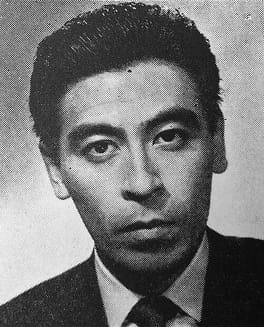
Photo: 宝石社 / Public domain (source: Wikimedia Commons)
My Take
I'll be honest, Hideo Takamatsu is the kind of actor I love precisely because he was never the center of the poster, and somehow that makes me respect him more. A Kochi-born guy from the 1929 generation, he came up through the postwar boom in Japanese film and television, and you can just feel that he was one of the sturdy beams holding the whole thing up. I always picture an actor like this planted at the edge of the frame, low voice, steady presence, the type who tightens a scene just by standing there and letting the leads shine off him. He passed in 2007, and while I can't claim to know his offscreen life, that quiet, dependable Showa-uncle gravitas is exactly the texture I find myself missing in slicker modern dramas. Solid, unshowy, the real glue.
This take was written by generative AI, one per person, from publicly reported facts (editorial policy). It is a reading of the record, not reporting.
Overview
Hideo Takamatsu (October 24, 1929 – February 26, 2007) was a Japanese actor born in Nagaoka-gun, Kochi Prefecture. Active during the postwar Showa era, he was a supporting presence in Japanese film and television. He passed away in February 2007.
1. Profile
- Name (English)
- Hideo Takamatsu
- Name (Japanese)
- 高松英郎
- Reading
- たかまつ ひでお
- Born
- October 24, 1929 – February 26, 2007
- Origin
- Nagaoka-gun, Kochi Prefecture, Japan
- Occupation
- Actor
- Zodiac / Chinese zodiac
- Scorpio / Snake
- Active years
- 1953 - 2007
2. Works & records
Works summary
- Appearances
- 209 (1954–2010)
- By year
- 1954: 2, 1955: 1, 1957: 2, 1958: 3, 1959: 1, 1960: 1, 1961: 2, 1962: 3, 1963: 4, 1964: 4, 1965: 2, 1966: 6, 1967: 1, 1968: 4, 1969: 4, 1970: 3, 1971: 3, 1972: 6, 1973: 1, 1974: 2, 1975: 3, 1976: 6, 1977: 2, 1978: 3, 1979: 2, 1980: 4, 1981: 4, 1982: 5, 1983: 4, 1984: 1, 1985: 7, 1986: 4, 1987: 7, 1988: 5, 1989: 4, 1990: 9, 1991: 2, 1992: 8, 1993: 5, 1994: 4, 1995: 4, 1996: 6, 1998: 7, 1999: 5, 2000: 4, 2001: 2, 2002: 2, 2003: 3, 2004: 4, 2005: 5, 2006: 2, 2007: 1, 2010: 1
- Debut work
- 馬賊芸者
Filmography / notable works
| Category | Title | Year |
|---|---|---|
| Film | チー公大作戦 メダカを救え!村長選挙 | 2010 |
| TV drama | 堀部安兵衛 | 2007 |
| TV drama | みこん六姉妹 | 2006 |
| TV drama | 地獄少女 | 2006 |
| TV drama | 火の粉 | 2005 |
| TV drama | 崇徳伝説殺人事件 | 2005 |
| TV drama | 救命病棟24時 シーズン3 | 2005 |
| TV drama | 火垂るの墓 | 2005 |
| V-Cinema (straight-to-video film) | 新・日本の首領 | 2005 |
| TV drama | すずがくれた音 | 2004 |
| TV drama | 新・京都迷宮案内2 第7シリーズ 第3話 | 2004 |
| Film | ロード88 出会い路、四国へ | 2004 |
| Film | 猿飛佐助 闇の軍団 | 2004 |
| TV drama | 屋形船の女1 | 2003 |
| Film | 黄泉がえり | 2003 |
| V-Cinema (straight-to-video film) | 実録・竹中正久の生涯 荒らぶる獅子 | 2003 |
| TV drama | リモート 第8話 | 2002 |
| Film | 修羅の群れ | 2002 |
| TV drama | スタアの恋 | 2001 |
| Film | サトラレ | 2001 |
| TV drama | 妻たちの戦争 | 2000 |
| TV drama | 月下の棋士 | 2000 |
| V-Cinema (straight-to-video film) | ケンカ包丁 義 | 2000 |
| V-Cinema (straight-to-video film) | 雀狼伝2,3 | 2000 |
| TV drama | すずらん | 1999 |
| TV drama | おばはん刑事!流石姫子3 | 1999 |
| TV drama | 京都マル秘仕置帖 | 1999 |
| TV drama | 風の行方 | 1999 |
| Film | 制覇 | 1999 |
| TV drama | 当番弁護士 | 1998 |
| TV drama | 弁護士芸者のお座敷事件簿2 | 1998 |
| TV drama | 十津川警部シリーズ15・尾道・倉敷殺人ルート | 1998 |
| TV drama | 隠岐伝説殺人事件 | 1998 |
| Film | お墓がない! | 1998 |
| Film | 大怪獣東京に現わる | 1998 |
| V-Cinema (straight-to-video film) | 首領への道 シリーズ | 1998 |
| TV drama | 秀吉 | 1996 |
| TV drama | 温泉若おかみの殺人推理4 | 1996 |
| TV drama | 取調室5 故郷で死にたかった…愛妻殺し容疑の実業家に県警本部が挑んだ十二日間 | 1996 |
| TV drama | 嵐の前のバケタケ | 1996 |
| Film | 修羅がゆく2 戦争勃発 | 1996 |
| Film | ぼくは勉強ができない | 1996 |
| TV drama | 八代将軍吉宗 | 1995 |
| TV drama | 寝たふりしてる男たち | 1995 |
| TV drama | 千石どり、裸踊りも厭やせぬ | 1995 |
| V-Cinema (straight-to-video film) | 渡世無頼 | 1995 |
| TV drama | いのちの現場からII | 1994 |
| TV drama | 夏子の酒 | 1994 |
| TV drama | 魔人の山! 黄金の裸女 | 1994 |
| Film | 武闘派仁義 完結篇 | 1994 |
| TV drama | 春のかがり火〜箕輪城・戦国の日々〜 | 1993 |
| TV drama | 疑惑! ストリッパーと密会した刑事 | 1993 |
| TV drama | 売春!! 墜ちたキャリアウーマンの謎 | 1993 |
| Film | 民暴の帝王 | 1993 |
| V-Cinema (straight-to-video film) | 新書ワル Vol.3 激情篇 | 1993 |
| TV drama | 平清盛 | 1992 |
| TV drama | 熱き瞳に | 1992 |
| TV drama | いのちの現場から | 1992 |
| TV drama | 裏刑事-URADEKA- | 1992 |
| TV drama | 社長になった若大将 | 1992 |
3. Links
- Wikipedia (Japanese)https://ja.wikipedia.org/wiki/%E9%AB%98%E6%9D%BE%E8%8B%B1%E9%83%8E
- Wikidatahttps://www.wikidata.org/wiki/Q11670497
4. About this entry
Tags
- Last updated
Facts are limited to publicly available information up to 2024; non-public or unconfirmed items are omitted. Works and profile fields sourced from Wikipedia reflect content as of 2026-08-26. English text is machine-assisted (facts translated by Sonnet, "My Take" written by Opus 4.8). The Japanese page is the source of record.
Frequently asked questions
When was Hideo Takamatsu born?
Born October 24, 1929.
When did Hideo Takamatsu die?
Died February 26, 2007, aged 77.
Where was Hideo Takamatsu from?
Hideo Takamatsu was from Nagaoka-gun, Kochi Prefecture, Japan.
What did Hideo Takamatsu do?
Hideo Takamatsu worked as Actor.
When was Hideo Takamatsu active?
1953 - 2007.
What was Hideo Takamatsu known for?
Notable works include チー公大作戦 メダカを救え!村長選挙, 堀部安兵衛, みこん六姉妹.