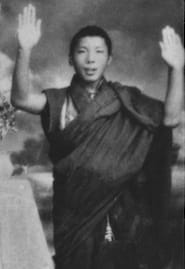
Photo: Unknown author / Public domain (source: Wikimedia Commons)
Chögyam Trungpa was a philosopher, painter and writer, born on March 5, 1939 in Kham, Tibet. Chögyam Trungpa died on April 4, 1987 at the age of 48. Education on record includes St Antony's College. Notable works include Shambhala: The Sacred Path of the Warrior and divine madness.
My Take
Chögyam Trungpa interests me precisely because he refused to be tidy. Born in 1939 in Kham, Tibet, recognized as a high lineage holder, he could have stayed a remote, untouchable master. Instead he carried Tibetan Buddhism into the West and wrote it in living, unguarded language, as in Shambhala: The Sacred Path of the Warrior. He was a philosopher, writer and painter at once, and his life held real controversy alongside real brilliance. I find that honesty more compelling than a polished saint would be. To me his lasting gift is insisting that wisdom belongs in everyday speech, not behind a wall of jargon.
This take was written by generative AI, one per person, from publicly reported facts (editorial policy). It is a reading of the record, not reporting.
1. Profile
- Name (English)
- Chögyam Trungpa
- Name (Japanese)
- チョギャム・トゥルンパ
- Reading
- ちょぎゃむ・とぅるんぱ
- Born
- March 5, 1939 – April 4, 1987
- Origin
- Kham, Tibet
- Occupation
- philosopher / painter / writer / guru / scholar
- Zodiac / Chinese zodiac
- Pisces / Rabbit
2. Background
- University
- St Antony's College
3. Works & records
Filmography / notable works
| Category | Title |
|---|---|
| Notable work | Shambhala: The Sacred Path of the Warrior |
| Notable work | divine madness |
4. Links
- Official sitehttps://www.shambhala.org/
- Wikipedia (English)https://en.wikipedia.org/wiki/Ch%C3%B6gyam%20Trungpa
- Wikipedia (Japanese)https://ja.wikipedia.org/wiki/%E3%83%81%E3%83%A7%E3%82%AE%E3%83%A3%E3%83%A0%E3%83%BB%E3%83%88%E3%82%A5%E3%83%AB%E3%83%B3%E3%83%91
- Wikidatahttps://www.wikidata.org/wiki/Q548323
5. About this entry
Tags
- Last updated
Facts are limited to publicly available information up to 2024; non-public or unconfirmed items are omitted. English text is machine-assisted (facts translated by Sonnet, "My Take" written by Opus 4.8). The Japanese page is the source of record.
Frequently asked questions
When was Chögyam Trungpa born?
Born March 5, 1939.
When did Chögyam Trungpa die?
Died April 4, 1987, aged 48.
Where was Chögyam Trungpa from?
Chögyam Trungpa was from Kham, Tibet.
What did Chögyam Trungpa do?
Chögyam Trungpa worked as philosopher, painter, writer, guru, scholar.
What was Chögyam Trungpa known for?
Notable works include Shambhala: The Sacred Path of the Warrior, divine madness.