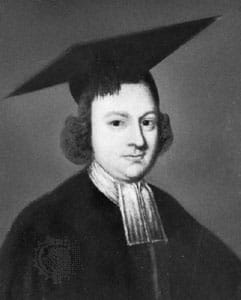
Photo: anonymous / Public domain (source: Wikimedia Commons)
Christopher Smart was a stage actor, composer and hymnwriter, born on April 11, 1722 in Shipbourne, United Kingdom. Death is recorded on May 20, 1771, at the age of 49. Education on record includes Pembroke College.
My Take
Christopher Smart fascinates me as one of those eighteenth-century figures who lived entirely through language. He wrote hymns, children's literature, and worked the stage, all while running in the orbit of Samuel Johnson and Henry Fielding at the heart of London. The mischief of publishing under a female pseudonym only deepens my affection for him. More than 250 years on, what survives is the heat of a man who believed words could reshape the world. In an age before any megaphone but the printed page and a sharp tongue, he made the city talk. I have real reverence for talents like his.
This take was written by generative AI, one per person, from publicly reported facts (editorial policy). It is a reading of the record, not reporting.
1. Profile
- Name (English)
- Christopher Smart
- Name (Japanese)
- クリストファー・スマート
- Reading
- くりすとふぁー・すまーと
- Born
- April 11, 1722 – May 20, 1771
- Origin
- Shipbourne, United Kingdom
- Occupation
- writer / stage actor / composer / hymnwriter / children's writer
- Zodiac / Chinese zodiac
- Aries / Tiger
2. Background
- University
- Pembroke College
3. Links
- Wikipedia (English)https://en.wikipedia.org/wiki/Christopher%20Smart
- Wikidatahttps://www.wikidata.org/wiki/Q2617795
4. About this entry
Tags
- Last updated
Facts are limited to publicly available information up to 2024; non-public or unconfirmed items are omitted. English text is machine-assisted (facts translated by Sonnet, "My Take" written by Opus 4.8). The Japanese page is the source of record.
Frequently asked questions
When was Christopher Smart born?
Christopher Smart was born on April 11, 1722.
When did Christopher Smart die?
Christopher Smart died on May 20, 1771, aged 49.
Where was Christopher Smart from?
Christopher Smart was from Shipbourne, United Kingdom.
What did Christopher Smart do?
Christopher Smart worked as writer, stage actor, composer, hymnwriter, children's writer.
Where did Christopher Smart study?
Christopher Smart attended Pembroke College.
Writer — see all → · Stage actor — see all → · More people from the United Kingdom → · More people born on April 11 →