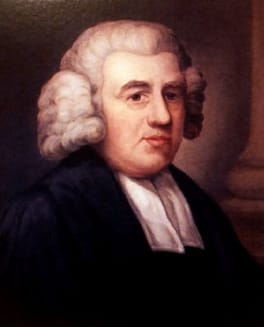
Photo: After John Russell / Public domain (source: Wikimedia Commons)
John Newton was listed as a cleric, hymnwriter and sailor. Born on July 24, 1725, John Newton was from London, United Kingdom. Death is recorded on December 21, 1807, at the age of 82. Listed accolades include Gospel Music Hall of Fame (1982).
My Take
What grips me about John Newton is the sheer magnitude of his transformation. A slave-ship captain and trader who became a clergyman and abolitionist is one of history's most uncomfortable yet hopeful arcs. The reason 'Amazing Grace' still lands so hard, I think, is precisely because the man who wrote it knew real guilt and real deliverance from the inside. His 1982 induction into the Gospel Music Hall of Fame feels almost beside the point next to the moral weight of the man himself. I admire that he didn't bury his past but turned it into a public reckoning. That honesty is rarer than talent.
This take was written by generative AI, one per person, from publicly reported facts (editorial policy). It is a reading of the record, not reporting.
1. Profile
- Name (English)
- John Newton
- Name (Japanese)
- ジョン・ニュートン
- Reading
- じょん・にゅーとん
- Born
- July 24, 1725 – December 21, 1807
- Origin
- London, United Kingdom
- Occupation
- cleric / hymnwriter / sailor / slave trader / abolitionist
- Zodiac / Chinese zodiac
- Leo / Snake
2. Background
Awards & achievements
- 1982 Gospel Music Hall of Fame
3. Links
4. About this entry
Tags
- Last updated
Facts are limited to publicly available information up to 2024; non-public or unconfirmed items are omitted. English text is machine-assisted (facts translated by Sonnet, "My Take" written by Opus 4.8). The Japanese page is the source of record.
Frequently asked questions
When was John Newton born?
John Newton was born on July 24, 1725.
When did John Newton die?
John Newton died on December 21, 1807, aged 82.
Where was John Newton from?
John Newton was from London, United Kingdom.
What did John Newton do?
John Newton worked as cleric, hymnwriter, sailor, slave trader, abolitionist.
More people from the United Kingdom → · More people born on July 24 →