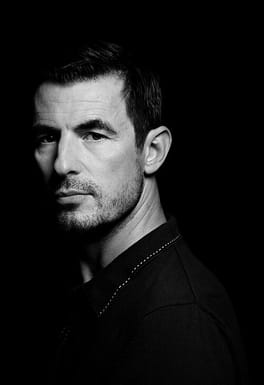
Photo: Lis Kasper Bang / CC BY 3.0 (source: Wikimedia Commons)
Claes Bang was born on April 28, 1967 in Odense, Denmark. Claes Bang is a film actor, stage actor and voice actor. That works out to 59 years old in 2026. Listed accolades include European Film Award for Best Actor (2017).
My Take
Claes Bang is proof that a great role can arrive at exactly the right moment. He'd built a long, respectable career in Danish theatre and television before The Square detonated at Cannes in 2017 and won him the European Film Award for Best Actor. What I admire is that he didn't squander that late breakthrough, he followed it with Robert Eggers's The Northman and a string of international work. There's a controlled, slightly menacing precision to his presence that I find compelling. For an Odense-born actor who waited decades for his moment, the composure he carries onscreen feels entirely earned.
This take was written by generative AI, one per person, from publicly reported facts (editorial policy). It is a reading of the record, not reporting.
1. Profile
- Name (English)
- Claes Bang
- Name (Japanese)
- クレス・バング
- Reading
- くれす・ばんぐ
- Born
- April 28, 1967 (age 59)
- Origin
- Odense, Denmark
- Occupation
- film actor / stage actor / voice actor / television actor / actor
- Zodiac / Chinese zodiac
- Taurus / Goat
2. Background
Awards & achievements
- 2017 European Film Award for Best Actor
3. Links
4. About this entry
Tags
- Last updated
Facts are limited to publicly available information up to 2024; non-public or unconfirmed items are omitted. English text is machine-assisted (facts translated by Sonnet, "My Take" written by Opus 4.8). The Japanese page is the source of record.
Frequently asked questions
When was Claes Bang born?
Born April 28, 1967 (age 59).
Where is Claes Bang from?
Claes Bang is from Odense, Denmark.
What does Claes Bang do?
Claes Bang works as film actor, stage actor, voice actor, television actor, actor.
Film actor — see all → · Stage actor — see all → · More people from Denmark →