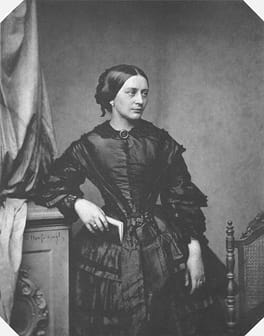
Photo: Franz Hanfstaengl / Public domain (source: Wikimedia Commons)
Clara Schumann was a pianist, composer and music educator. Clara Schumann was born on September 13, 1819 in Leipzig, Germany. Death is recorded on May 20, 1896, at the age of 76. Credited works include Piano Concerto No. 1 and Piano Trio.
My Take
Clara Schumann is one of those figures history nearly filed away under someone else's name, and that irritates me. To me she is the headline, not the footnote. Sustaining a 61-year concert career as a woman in the 19th century is staggering enough, but what I admire most is her artistic conviction: she reshaped the recital by foregrounding the music over empty virtuosity. She was also a serious composer in her own right. I find her blend of discipline, taste, and quiet defiance genuinely moving, and I think the wider world is still catching up to how important she actually was.
This take was written by generative AI, one per person, from publicly reported facts (editorial policy). It is a reading of the record, not reporting.
1. Profile
- Name (English)
- Clara Schumann
- Name (Japanese)
- クララ・シューマン
- Reading
- くらら・しゅーまん
- Born
- September 13, 1819 – May 20, 1896
- Origin
- Leipzig, Germany
- Occupation
- pianist / composer / music educator / editor / music arranger
- Zodiac / Chinese zodiac
- Virgo / Rabbit
2. Works & records
Filmography / notable works
| Category | Title |
|---|---|
| Notable work | Piano Concerto No. 1 |
| Notable work | Piano Trio |
3. Links
4. About this entry
Tags
- Last updated
Facts are limited to publicly available information up to 2024; non-public or unconfirmed items are omitted. English text is machine-assisted (facts translated by Sonnet, "My Take" written by Opus 4.8). The Japanese page is the source of record.
Frequently asked questions
When was Clara Schumann born?
Clara Schumann was born on September 13, 1819.
When did Clara Schumann die?
Clara Schumann died on May 20, 1896, aged 76.
Where was Clara Schumann from?
Clara Schumann was from Leipzig, Germany.
What did Clara Schumann do?
Clara Schumann worked as pianist, composer, music educator, editor, music arranger.
What was Clara Schumann known for?
Clara Schumann's notable works include Piano Concerto No. 1, Piano Trio.
Pianist — see all → · Composer — see all → · More people from Germany → · More people born on September 13 →