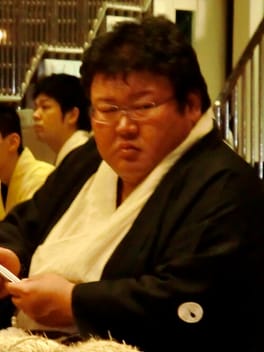
Photo: FourTildes / CC BY-SA 3.0 (source: Wikimedia Commons)
My Take
Honestly, a sumo wrestler who went through Nihon University before stepping into the dohyo — that combination just earns a certain kind of respect from me right away. Daishōyama Naoki comes from Anamizu, a quiet coastal town in Ishikawa Prefecture's Noto Peninsula, and there's something fitting about that: sumo at its best is patient, grounded, rooted in place. I don't have a highlight reel of his career stats in front of me, but I don't really need one. Anyone who endures the daily grind of professional sumo — where your body is your entire résumé — has clearly made peace with the kind of hard, unglamorous commitment most of us admire from a safe distance. My hunch is he was exactly the steady, no-drama type the sport quietly depends on.
This take was written by generative AI, one per person, from publicly reported facts (editorial policy). It is a reading of the record, not reporting.
Overview
Daishōyama Naoki is a Japanese sumo wrestler born on July 7, 1966, in Anamizu, Ishikawa Prefecture. He attended Nihon University before entering the professional sumo world. He was born under the Cancer zodiac sign in the Year of the Horse.
1. Profile
- Name (English)
- Daishōyama Naoki
- Name (Japanese)
- 大翔山直樹
- Reading
- だいしょうやま なおき
- Born
- July 7, 1966 (age 60)
- Origin
- Anamizu, Ishikawa Prefecture, Japan
- Occupation
- Sumo wrestler
- Zodiac / Chinese zodiac
- Cancer / Horse
2. Background
- University
- Nihon University
3. Links
4. About this entry
Tags
- Last updated
Facts are limited to publicly available information up to 2024; non-public or unconfirmed items are omitted. English text is machine-assisted (facts translated by Sonnet, "My Take" written by Opus 4.8). The Japanese page is the source of record.
Frequently asked questions
When was Daishōyama Naoki born?
Born July 7, 1966 (age 60).
Where is Daishōyama Naoki from?
Daishōyama Naoki is from Anamizu, Ishikawa Prefecture, Japan.
What does Daishōyama Naoki do?
Daishōyama Naoki works as Sumo wrestler.